
What is Forex Trading? Complete Beginner's Guide 2025
If you've ever traveled abroad and exchanged one currency for another, you've participated in the foreign exchange market - albeit on a very small scale. But what is Forex trading and how can ordinary people benefit from currency price fluctuations? This comprehensive guide will help you understand everything you need to know about Forex trading in a simple, beginner-friendly way.
The Forex market is the world's largest and most liquid financial market, with over $6.6 trillion traded daily. Unlike stocks or commodities, Forex trading operates 24 hours a day, five days a week, making it accessible to traders around the globe at virtually any time. Whether you're looking to understand foreign exchange market basics or ready to take your first steps into currency trading, this guide will provide the foundation you need.
Understanding Forex: The Fundamentals
What Exactly is the Foreign Exchange Market?
The foreign exchange market, commonly known as Forex or FX, is a global decentralized marketplace where currencies are bought and sold. Unlike traditional stock exchanges that have physical locations, the Forex market exists as an electronic network of banks, financial institutions, corporations, governments, and individual traders all participating in currency exchange.
Think of it this way: when a European company needs to pay an American supplier, they must convert euros to dollars. When tourists visit Japan, they exchange their home currency for yen. These everyday transactions, along with millions of others, create the massive, dynamic marketplace we call Forex.
How Currencies are Traded in Pairs
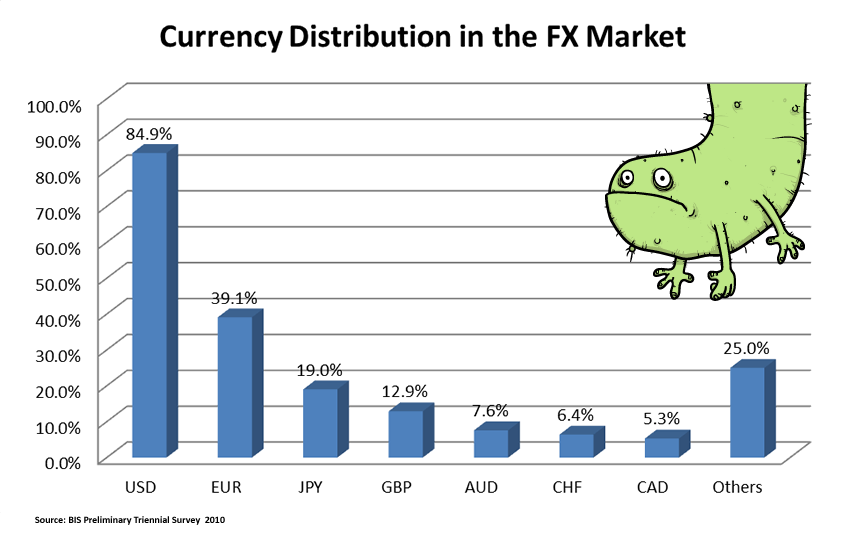
One of the most important concepts in Forex trading explanation is that currencies are always traded in pairs. You cannot buy the dollar or euro separately - you always exchange one currency for another. This is represented as EUR/USD or GBP/JPY or USD/CAD, where:
- The first currency (EUR, GBP, USD) is called the base currency
- The second currency (USD, JPY, CAD) is called the quote currency
- The exchange rate tells you how much of the quote currency you need to buy one unit of the base currency
For example, if EUR/USD is trading at 1.1000, it means one euro can be exchanged for 1.10 US dollars. Understanding this fundamental principle is crucial for anyone learning how does Forex work.
The Scale and Importance of the Forex Market
The sheer size of the Forex market is staggering. With a daily trading volume exceeding $6.6 trillion, it dwarfs all other financial markets combined. To put this in perspective:
- The New York Stock Exchange trades approximately $200 billion per day
- The entire global stock market is about 33 times smaller than Forex
- More money changes hands in the Forex market in a single day than most countries' annual GDP
This massive liquidity means that trades can be executed almost instantaneously with minimal price slippage, making Forex an attractive market for traders of all sizes.
Key Participants in the Forex Market
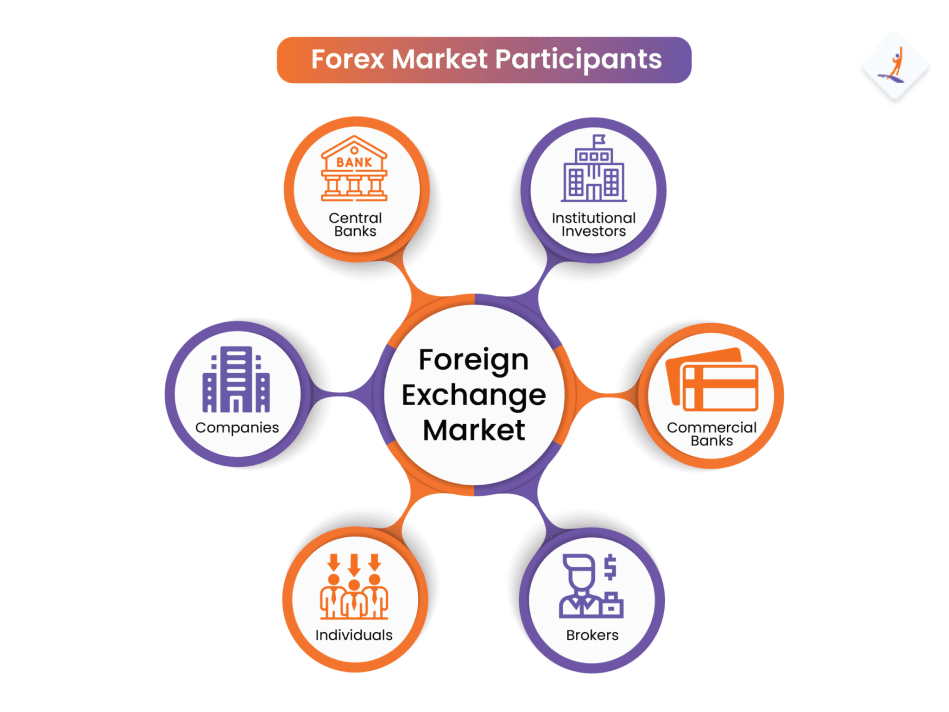
Forex market basics include understanding who participates in this massive market:
- Central Banks: Control monetary policy and can intervene to stabilize or increase the value of their currency
- Commercial Banks: Handle the largest volume of currency trades, both for themselves and their clients
- Corporations: Need to exchange currencies for international business operations
- Investment Funds: Hedge funds and portfolio managers trade currencies as part of their investment strategies
- Retail Traders: Individual traders like you, accessing the market through online brokers
How Forex Trading Works
Currency Pairs Explained: Base vs Quote Currency
When you see a currency pair like USD/JPY quoted at 150.00, the first currency (USD) is always the base currency, and the second (JPY) is the quote currency. The number 150.00 tells you that one US dollar equals 150 Japanese yen.
Here's a practical example of how does Forex work:
Imagine you believe the euro will strengthen against the dollar. The EUR/USD pair is currently at 1.1000. You decide to buy (go "long") one lot of EUR/USD. If the price rises to 1.1100, you've made a profit because each euro is now worth more dollars than when you bought it.
Buying and Selling Mechanics
In Forex trading, you can profit whether currencies go up or down:
- Going Long (Buying): You buy a currency pair if you think the base currency will strengthen against the quote currency
- Going Short (Selling): You sell a currency pair if you think the base currency will weaken against the quote currency
For instance, if you think the British pound will weaken against the US dollar, you would sell (short) GBP/USD. If the price falls from 1.3000 to 1.2900, you profit from that 100-pip movement.
Pips, Lots, and Leverage Explained
Understanding these three concepts is essential for Forex for beginners:
Pips
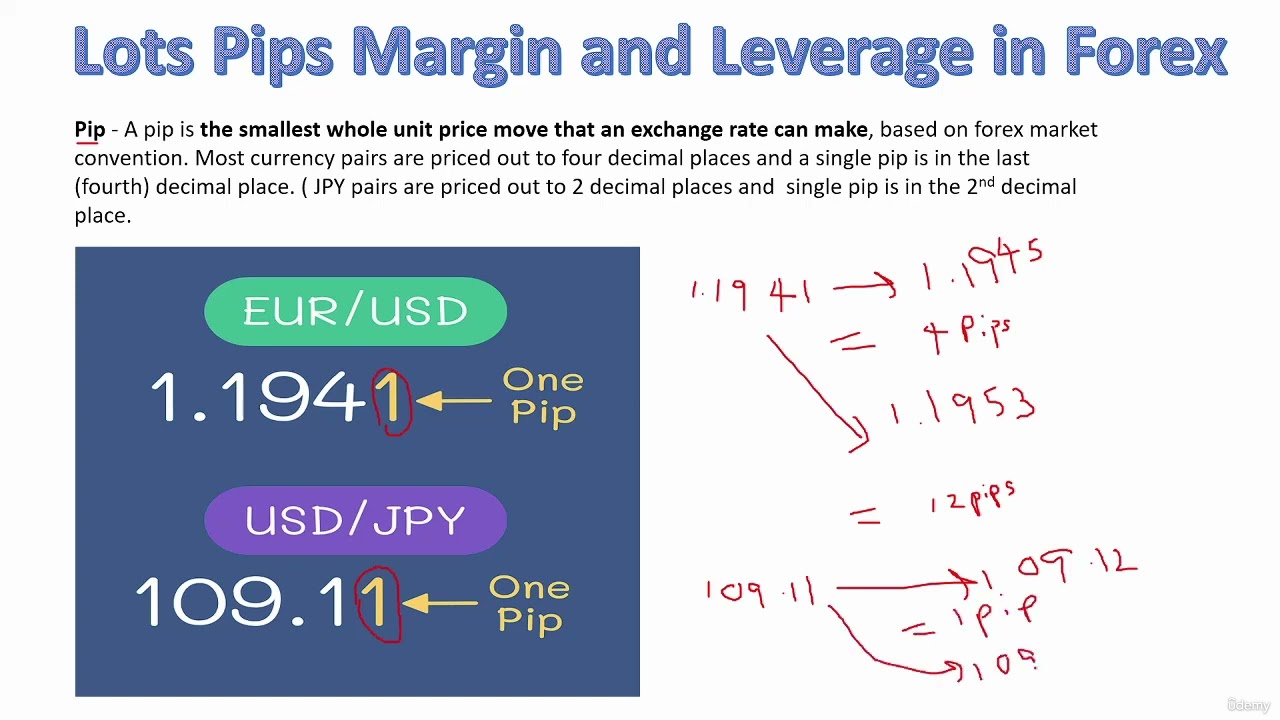
A pip (percentage in point) is the smallest price movement in a currency pair. For most pairs, a pip is 0.0001. If EUR/USD moves from 1.1000 to 1.1001, that's a one-pip movement. Pips are how traders measure profit and loss.
Lots
A lot is the standardized unit size of a Forex transaction:
- Standard Lot: 100,000 units of the base currency
- Mini Lot: 10,000 units
- Micro Lot: 1,000 units
- Nano Lot: 100 units
Beginners typically start with micro or nano lots to minimize risk while learning.
Leverage
Leverage allows you to control a large position with a relatively small amount of capital. For example, with 100:1 leverage, you can control $100,000 worth of currency with just $1,000 in your account.
Important Note: While leverage can amplify profits, it also magnifies losses. Many beginners underestimate this risk, which is why proper education and risk management are crucial before trading with leverage.
Bid-Ask Spread and How Brokers Make Profits
When you look at a currency price, you'll find two rates:
- Bid Price: The price at which you can sell
- Ask Price: The price at which you can buy
The difference between these two prices is called the spread, and this is typically how brokers make their money. For example, if EUR/USD shows 1.1000/1.1002, the spread is 2 pips. The tighter the spread, the better for traders, as it reduces the cost of each transaction.
Major vs Minor vs Exotic Pairs
The Seven Major Pairs and Why They're Popular
The major currency pairs all include the US dollar and are the most heavily traded in the world:
- EUR/USD (Euro/US Dollar) - The most traded pair, known as "Fiber"
- USD/JPY (US Dollar/Japanese Yen) - Known as "Gopher"
- GBP/USD (British Pound/US Dollar) - Called "Cable"
- USD/CHF (US Dollar/Swiss Franc) - Known as "Swissie"
- USD/CAD (US Dollar/Canadian Dollar) - Called "Loonie"
- AUD/USD (Australian Dollar/US Dollar) - Known as "Aussie"
- NZD/USD (New Zealand Dollar/US Dollar) - Called "Kiwi"
These pairs are popular because they offer:
- High liquidity (easy to buy and sell quickly)
- Tight spreads (lower trading costs)
- Abundant information and analysis available
- Lower volatility compared to exotic pairs
Understanding Minor Pairs
Minor pairs (also called cross-currency pairs) don't include the US dollar but involve other major currencies:
- EUR/GBP (Euro/British Pound)
- EUR/AUD (Euro/Australian Dollar)
- GBP/JPY (British Pound/Japanese Yen)
- CHF/JPY (Swiss Franc/Japanese Yen)
- NZD/JPY (New Zealand Dollar/Japanese Yen)
Minor pairs typically have slightly wider spreads than major pairs but are still quite liquid and accessible for retail traders.
Exotic Pairs and Their Higher Volatility
Exotic currency pairs pair a major currency with a currency from an emerging or smaller economy:
- USD/TRY (US Dollar/Turkish Lira)
- EUR/TRY (Euro/Turkish Lira)
- USD/ZAR (US Dollar/South African Rand)
- USD/THB (US Dollar/Thai Baht)
Exotic pairs are characterized by:
- Much wider spreads (higher trading costs)
- Lower liquidity
- Higher volatility
- Greater potential for both profit and loss
Which Pairs Are Best for Beginners?
For those just starting their currency trading introduction, stick with the major pairs, particularly:
- EUR/USD: Most liquid, tightest spreads, abundant educational resources
- GBP/USD: High liquidity with slightly more volatility for opportunities
- USD/JPY: Excellent for learning Asian session trading
Avoid exotic pairs until you've gained significant experience, as their unpredictability and wider spreads can quickly erode a beginner's account.
Forex Market Hours and Sessions
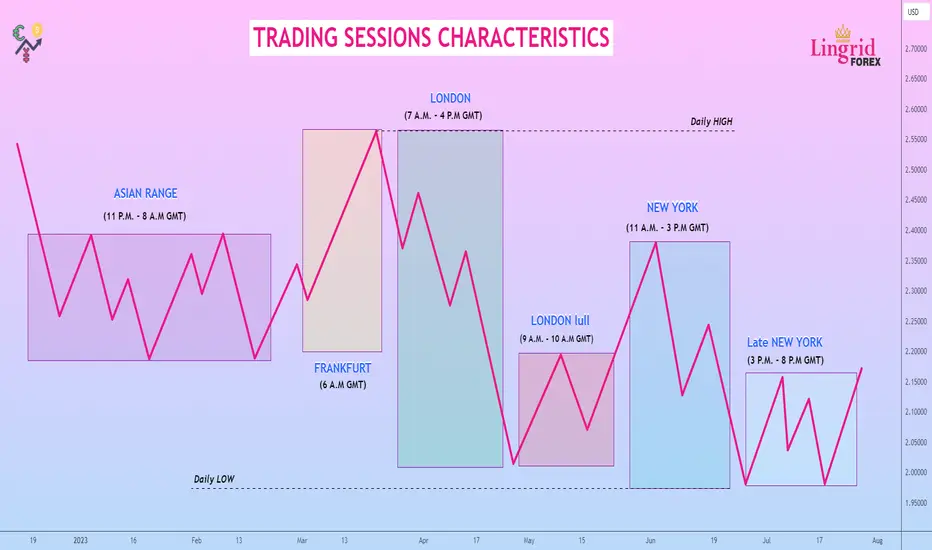
24-Hour Trading Explained
One of the most attractive features for those wondering what is Forex trading is its accessibility. Unlike stock markets that close at the end of the business day, the Forex market operates 24 hours a day, five days a week (from Sunday evening to Friday evening EST).
This is possible because Forex is a global, decentralized market. As one major financial center closes, another opens, creating a continuous cycle of trading activity around the clock.
Major Trading Sessions
The Forex market is divided into four major trading sessions based on major financial centers:
1. Sydney Session
- Hours: 5:00 PM - 2:00 AM EST
- Characteristics: Lowest volatility, good for AUD and NZD pairs
- Best for: Traders who prefer quieter market conditions
2. Tokyo Session
- Hours: 7:00 PM - 4:00 AM EST
- Characteristics: Moderate volatility, dominated by Asian currencies
- Best for: Trading USD/JPY and other yen pairs
3. London Session
- Hours: 3:00 AM - 12:00 PM EST
- Characteristics: Highest liquidity, major price movements
- Best for: EUR, GBP, and CHF pairs
4. New York Session
- Hours: 8:00 AM - 5:00 PM EST
- Characteristics: High volatility, especially during overlap with London
- Best for: All major USD pairs
Best Times to Trade Different Pairs
Understanding how does Forex work in terms of timing can significantly impact your trading success:
- EUR/USD: Most active during London and New York sessions
- GBP/USD: Best during London and early New York sessions
- USD/JPY: Most volatile during Tokyo and early London sessions
- AUD/USD: Active during Sydney and early Tokyo sessions
Session Overlaps and Increased Volatility
The most active trading occurs when two sessions overlap:
- London/New York Overlap (8:00 AM - 12:00 PM EST): The busiest time, with maximum liquidity and volatility. Over 70% of all trades happen during this window.
- Sydney/Tokyo Overlap (7:00 PM - 2:00 AM EST): Moderate activity, good for Asian currency pairs.
- London/Tokyo Overlap (3:00 AM - 4:00 AM EST): Brief overlap with limited impact.
Most professional traders focus on the London/New York overlap because it offers the best combination of liquidity, volatility, and trading opportunities.
Getting Started: First Steps in Forex Trading
Choosing a Regulated Broker
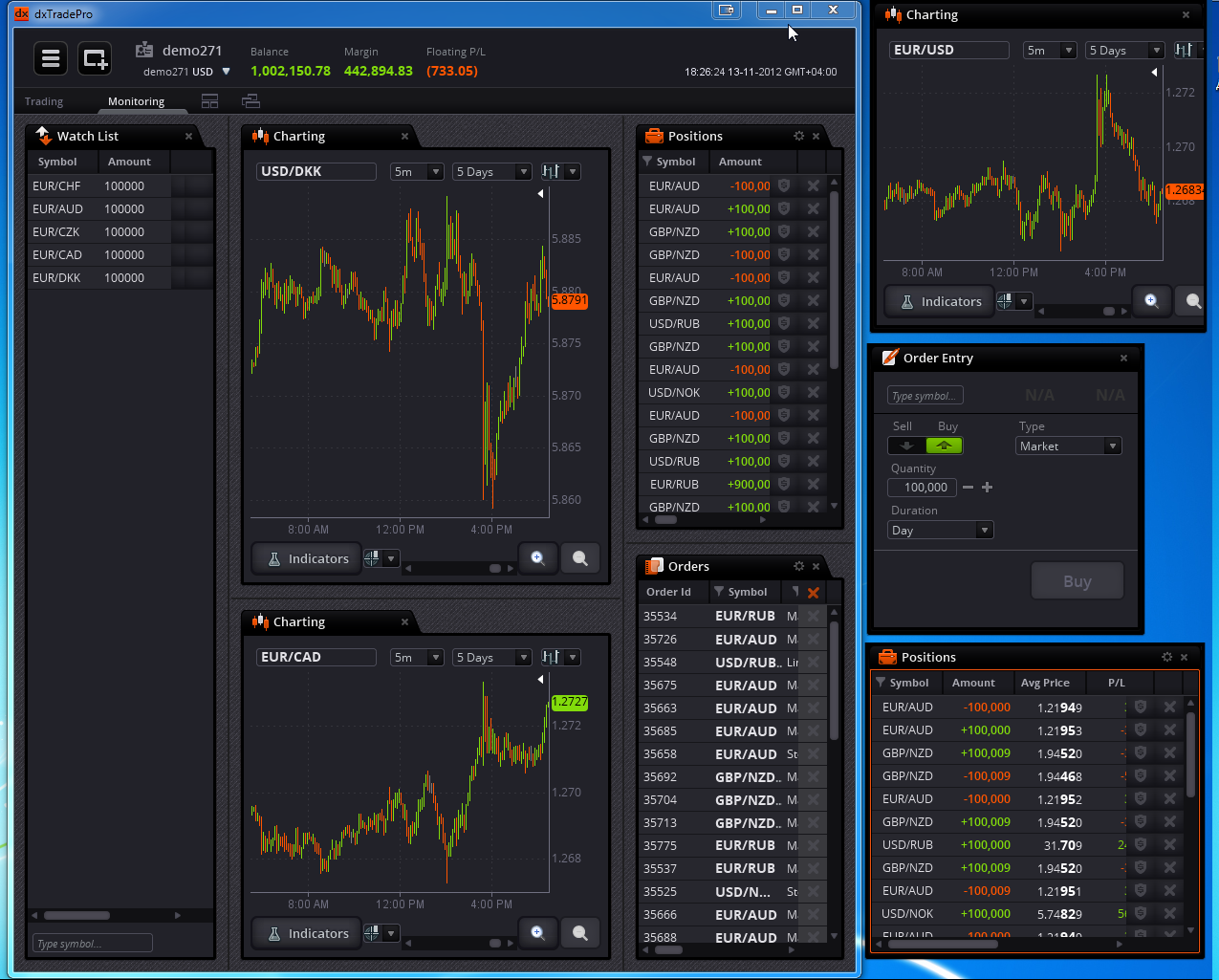
Your first crucial decision in your Forex for beginners journey is selecting a reputable, regulated broker. Look for brokers regulated by respected authorities such as:
- FCA (Financial Conduct Authority) - UK
- CFTC/NFA - United States
- ASIC (Australian Securities and Investments Commission) - Australia
- CySEC (Cyprus Securities and Exchange Commission) - European Union
Key factors to consider when choosing a Forex broker:
- Regulation and safety: Is your money protected?
- Trading platform: Is it user-friendly and reliable?
- Spreads and commissions: What are the trading costs?
- Execution speed: Are orders filled quickly?
- Customer support: Can you get help when needed?
- Educational resources: Do they help beginners learn?
Demo Account vs Real Account
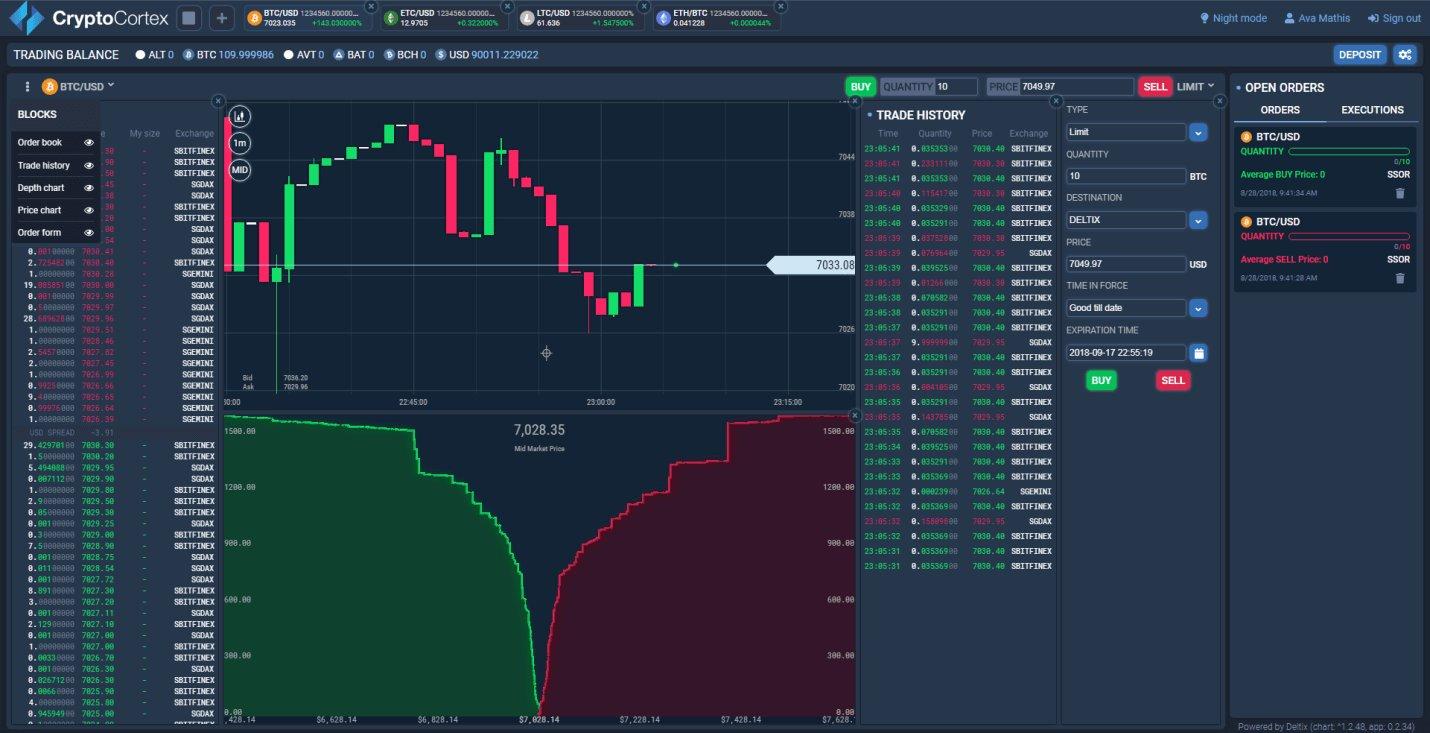
Before risking real money, every beginner should start with a demo account:
Demo Account Advantages:
- Practice with virtual money (typically $10,000-$100,000)
- Learn the trading platform without risk
- Test strategies in real market conditions
- Build confidence before going live
- Free and unlimited (usually)
When to Transition to a Live Account:
- You understand currency pairs and how they move
- You've developed a consistent trading strategy
- You can manage your emotions (fear and greed)
- You've been profitable on demo for at least 2-3 months
- You understand risk management principles
Important: Don't rush to live trading. The demo environment is your training ground. Many successful traders spend 6-12 months practicing before risking real capital.
Starting Capital Recommendations
A common question in every currency trading introduction is: "How much money do I need to start?"
While some brokers allow you to start with as little as $50-$100, here's a more realistic breakdown:
- Absolute Minimum: $500 - Allows for proper risk management with micro lots
- Recommended Minimum: $1,000-$2,000 - Provides better flexibility and psychological comfort
- Comfortable Starting Point: $5,000-$10,000 - Allows for diversification and better risk management
Golden Rule: Never trade with money you cannot afford to lose. Forex trading carries significant risk, and most beginners lose money initially as they learn.
Educational Resources and Next Steps
Now that you understand what is Forex trading, continue your education with these next steps:
- Learn Technical Analysis: Study chart patterns, technical indicators, and price action
- Understand Fundamental Analysis: Learn how economic news and events affect currencies
- Develop a Trading Plan: Define your strategy, risk tolerance, and goals
- Master Risk Management: Learn about stop losses, position sizing, and risk-reward ratios
- Practice Consistently: Spend significant time on your demo account
- Keep a Trading Journal: Document every trade to identify patterns and improve
- Join Trading Communities: Learn from experienced traders and share experiences
Recommended resources for beginners:
- Books: "Currency Trading for Dummies," "The Little Book of Currency Trading"
- Online Courses: BabyPips School of Pipsology (free), Investopedia Academy
- YouTube Channels: Look for reputable educators (avoid get-rich-quick promoters)
- Webinars: Many brokers offer free educational webinars
- Economic Calendars: ForexFactory, Investing.com for tracking news events
Frequently Asked Questions (FAQ)
1. How much money do you need to start Forex trading?
While some brokers accept deposits as low as $50, a realistic minimum is $500-$1,000 to practice proper risk management. However, start with a demo account first, which requires no money at all and allows you to practice with virtual funds until you're consistently profitable.
2. Can you really make money with Forex trading?
Yes, it's possible to make money with Forex trading, but it's not easy. Studies show that 70-80% of retail Forex traders lose money, primarily due to inadequate education, poor risk management, and emotional decision-making. Success requires dedication, education, practice, and discipline. Treat it as a serious skill to develop, not a get-rich-quick scheme.
3. Is Forex trading legal?
Yes, Forex trading is legal in most countries, including the United States, United Kingdom, Canada, Australia, and most of Europe. However, regulations vary by country. Always use a broker regulated by your country's financial authority to ensure your funds are protected and you're trading in a legitimate environment.
4. What's the difference between Forex trading and stock trading?
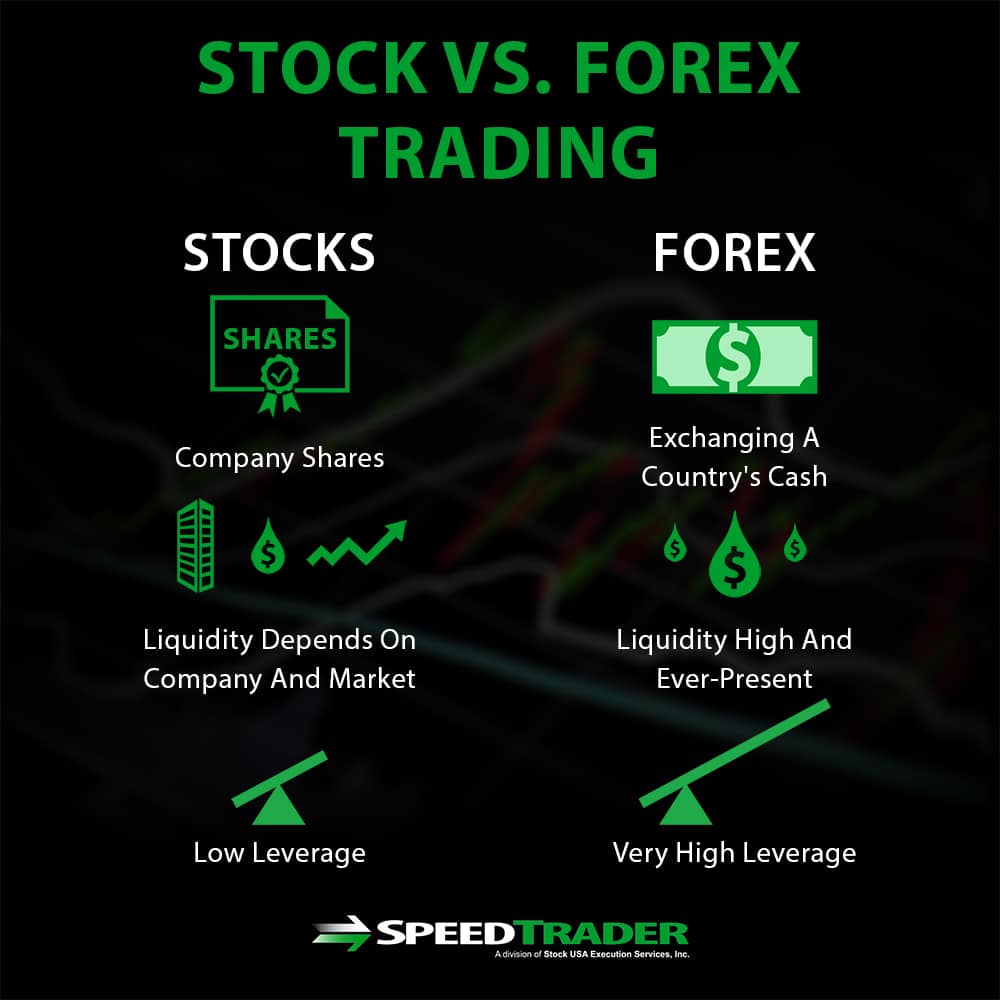
Forex trading involves buying and selling currencies in pairs, operates 24 hours a day, offers higher leverage, and has lower trading costs (no commissions, just spreads). Stock trading involves buying shares in companies, operates during specific market hours, typically has lower leverage, but may charge commissions. Forex markets are also more liquid than stock markets.
5. How long does it take to learn Forex trading?
Understanding the basics can take a few weeks, but becoming consistently profitable typically takes 6-12 months of dedicated study and practice, sometimes longer. This includes learning technical and fundamental analysis, developing a trading strategy, mastering risk management, and controlling your emotions. There are no shortcuts—successful trading is a marathon, not a sprint.
Conclusion: Your Journey Starts Here
Understanding what is Forex trading is just the beginning of your journey into the world's largest financial markets. The foreign exchange market offers tremendous opportunities, but it also carries significant risks. Success in currency trading requires education, practice, discipline, and emotional control.
Remember these key takeaways:
- The Forex market trades $6.6 trillion daily and operates 24/5
- Currencies are always traded in pairs (base vs. quote currency)
- Start with major pairs like EUR/USD for the best liquidity and tightest spreads
- Use a demo account extensively before risking real money
- Choose a regulated broker to protect your capital
- Never risk money you cannot afford to lose
The path to becoming a successful Forex trader is challenging but achievable with the right approach. Continue your education, practice consistently, and always prioritize risk management over potential profits. Your future self will thank you for taking the time to learn properly before diving into live trading.
Ready to take the next step? Learn more about how to start Forex trading, explore the best trading strategies for beginners, or discover how to choose the right Forex broker for your needs.
Comments
Post a Comment