
🏆 Famous Forex Traders
Legends Who Shaped the Currency Market
Meet the most influential forex traders in history who have shaped the currency markets. Learn from their strategies, achievements, and the lessons they can teach modern traders. From George Soros's famous "breaking the Bank of England" trade to Warren Buffett's patient approach, discover what made these traders legendary.

📋 Table of Contents
- Trading Legends Overview
- George Soros - The Quantum Fund Master
- Warren Buffett - The Oracle of Omaha
- Jesse Livermore - The Great Bear
- Bruce Kovner - From Taxi Driver to Billionaire
- Richard Dennis - The Prince of Pit
- Paul Tudor Jones - Predicting the Crash
- Stanley Druckenmiller - Soros's Right Hand
- Andrew Krieger - The Kiwi Killer
- Lessons Learned from Legends
- Modern Influences on Trading
🌟 Trading Legends Overview
The forex market has been shaped by extraordinary individuals who demonstrated exceptional skill, discipline, and courage. These traders not only amassed enormous wealth but also revolutionized how we understand currency markets.
George Soros's famous Bank of England trade profit
Warren Buffett's currency trading profits
Andrew Krieger's New Zealand Dollar profit
Return in Jesse Livermore's early career
🎯 What Makes a Trading Legend?
- Exceptional Risk Management: Protecting capital while maximizing returns
- Market Insight: Understanding underlying market fundamentals
- Emotional Discipline: Controlling fear and greed effectively
- Strategic Thinking: Long-term perspective over short-term gains
- Adaptability: Adjusting strategies to changing market conditions
- Continuous Learning: Evolving with the markets
💰 George Soros - The Quantum Fund Master

George Soros is arguably the most famous forex trader in history, known for his spectacular currency trades that earned him billions and earned him the title "The Man Who Broke the Bank of England."
🎯 The Famous Bank of England Trade (1992)
Soros's most legendary trade involved betting against the British Pound during the European Exchange Rate Mechanism (ERM). He recognized that the Bank of England was maintaining an artificially high exchange rate that was unsustainable.
📊 The Trade Details
- Position: Short $10 billion worth of British Pounds
- Profit: Over $1 billion in a single day
- Strategy: Fundamental analysis + technical confirmation
- Market Impact: Forced Britain to exit the ERM
🧠 Trading Philosophy
- Reflexivity Theory: Markets reflect human psychology and bias
- Fundamental + Technical: Combines both analysis methods
- Macro Perspective: Focuses on big picture economic trends
- Risk Management: Cuts losses quickly, lets profits run
- Think fundamentally, act technically
- Be contrarian when markets are clearly wrong
- Size your positions appropriately for the conviction
- Stay flexible and adapt to changing conditions
- Understand the psychological aspects of markets
🏢 Warren Buffett - The Oracle of Omaha
While primarily known as a stock investor, Warren Buffett has made significant currency trades, particularly in his later years, demonstrating that his value investing principles can be applied to forex markets.
💱 Currency Trading Approach
Buffett's forex strategy is more conservative and long-term focused compared to Soros's aggressive approach. He focuses on:
- Currency Carry Trades: Borrowing low-yield currencies to invest in high-yield assets
- Long-term Positions: Holding positions for years rather than months
- Economic Fundamentals: Focusing on long-term economic trends
- Risk Aversion: Avoiding overly leveraged positions
📈 Notable Currency Positions
- Short USD: Bet against dollar during 2000s weakening
- Long Emerging Markets: Investments in growth economies
- Currency Hedging: Protecting international investments
- Think long-term and avoid short-term noise
- Focus on economic fundamentals over technical signals
- Avoid excessive leverage and speculation
- Be patient and let positions work over time
- Learn from mistakes and adapt your strategy
📈 Jesse Livermore - The Great Bear
Jesse Livermore was a legendary trader in the early 20th century whose techniques and philosophies still influence modern traders. He made and lost fortunes multiple times, ultimately becoming one of the most famous traders in history.
🎯 The Rags to Riches Story
Livermore started as a 14-year-old "boy" in a stock brokerage office, eventually developing his own trading methods. He made his first fortune trading cotton, then lost it, made another fortune, lost it again, and eventually built his third fortune using improved methods.
📚 Trading Principles
- Price Action: Focus on price movement and patterns
- Trend Following: Trade with the market trend
- Patience: Wait for the right opportunities
- Money Management: Protect capital at all costs
- Record Keeping: Maintain detailed trading journals
Despite his success, Livermore struggled with emotional discipline and eventually took his own life in 1940. His story serves as a reminder that even the greatest traders need to maintain mental health and balance in their lives.
🚗 Bruce Kovner - From Taxi Driver to Billionaire
Bruce Kovner's story is inspiring because it shows how anyone can become successful in trading with the right approach, determination, and willingness to learn.
🎯 The Unlikely Beginning
Kovner was working as a taxi driver and coffee shop waiter when he stumbled into a stockbroker's office during a blizzard in 1979. With his last $5,000, he bought 100 shares of soybeans, turning it into $40,000, then eventually building Caxton Associates into one of the most successful hedge funds.
🧠 Trading Philosophy
- Risk Management: Never risk more than 1-2% per trade
- Diversification: Trade across multiple markets and timeframes
- Trend Following: Identify and ride major trends
- Technical Analysis: Use charts and patterns for timing
- Continuous Learning: Adapt to changing market conditions
🎪 Richard Dennis - The Prince of Pit
Richard Dennis, known as "The Prince of Pit," was famous for training his "Turtle Traders" and proving that trading could be taught, not just an innate talent.
🐢 The Famous Turtle Trader Experiment
Dennis proved that trading could be taught by taking 23 people with no trading experience and teaching them his systematic approach. Many of the "Turtles" became highly successful traders, proving that discipline and proper education trump natural talent.
🎯 Paul Tudor Jones - Predicting the Crash
Paul Tudor Jones gained fame for predicting and profiting from the 1987 Black Monday stock market crash, demonstrating the importance of risk management and market timing.
⚡ The Black Monday Prediction
Jones famously predicted the 1987 stock market crash using technical analysis. He saw the market forming a pattern similar to the 1929 crash and positioned accordingly, making massive profits while others lost everything.
💼 Stanley Druckenmiller - Soros's Right Hand

Stanley Druckenmiller worked closely with George Soros and later founded Duquesne Capital, achieving consistent returns for over 30 years with one of the best track records in the industry.
🎯 Druckenmiller's Approach
- Macro Focus: Identify major economic themes
- Trend Following: Ride big trends with conviction
- Risk Management: Cut losses quickly, let profits run
- Flexibility: Change positions quickly when necessary
- Concentration: Focus on his best ideas
🇳🇿 Andrew Krieger - The Kiwi Killer
Andrew Krieger became famous for his massive short position against the New Zealand Dollar during the 1987 stock market crash, earning profits of over $300 million.
🥝 The Kiwi Trade
Krieger noticed that the New Zealand Dollar (NZD) was significantly overvalued during the 1987 crash. He placed a massive short position worth over $100 million, and when the currency collapsed, he made $300 million in a single day.
📚 Lessons Learned from Legends
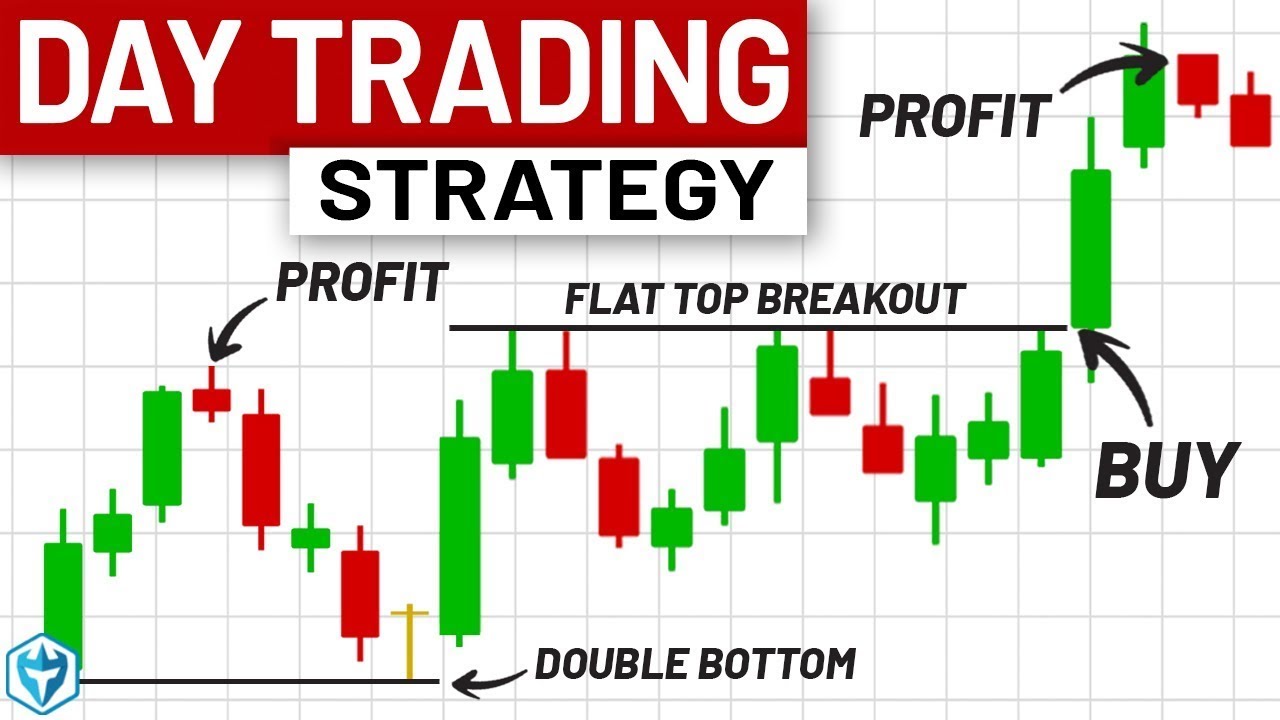
Despite their different styles and approaches, these legendary traders share common principles that modern traders can apply to their own strategies.
🎯 Universal Trading Principles
- Risk Management is Paramount: All legends prioritized protecting capital
- Patience Pays: Wait for the right opportunities
- Emotional Discipline: Control fear and greed effectively
- Continuous Learning: Adapt and evolve with markets
- Position Sizing: Match position size to conviction
- Record Keeping: Learn from both wins and losses
📊 Strategy Comparison Table
| Trader | Primary Style | Risk Approach | Time Horizon | Key Strength |
|---|---|---|---|---|
| George Soros | Macro/Fundamental | High conviction, high risk | Weeks to months | Big picture thinking |
| Warren Buffett | Value/Long-term | Conservative, patient | Years | Fundamental analysis |
| Jesse Livermore | Trend Following | Moderate, disciplined | Days to weeks | Price action reading |
| Bruce Kovner | Technical/Trend | Systematic, diversified | Various timeframes | Risk management |
| Paul Tudor Jones | Technical/Cyclical | Aggressive, protective | Months | Crash prediction |
💡 Key Takeaways for Modern Traders
- Study the Masters: Read books and biographies of successful traders
- Develop Your Style: Don't copy exactly; adapt principles to your personality
- Focus on Process: Results matter, but process is what you control
- Manage Emotions: Develop psychological discipline through practice
- Start Small: Begin with small positions as you develop your skills
- Keep Learning: Markets evolve, so must your knowledge
🚀 Modern Influences on Trading
The principles established by these trading legends continue to influence modern forex trading through technology, education, and institutional practices.
💻 Technology and Automation
- Quant Funds: Soros's macro approach systematized
- Risk Management: Jones's protective strategies automated
- Trend Following: Kovner's methods in algorithmic trading
- Education: Dennis's teaching methods in trading courses
- Technical Analysis: Livermore's principles in modern charting
📖 Legacy in Trading Education
The teachings of these legends form the foundation of modern trading education:
- Risk Management Courses: Emphasizing capital preservation
- Technical Analysis Training: Price action and pattern recognition
- Psychology Programs: Emotional discipline and mental toughness
- Macro Analysis: Understanding global economic factors
- Systematic Approaches: Rule-based trading strategies
📚 Conclusion
The stories of these trading legends inspire and educate new generations of traders. While we may never replicate their exact success, their principles and philosophies remain relevant in today's forex markets.
• Risk management is more important than making profits
• Patience and discipline separate winners from losers
• Continuous learning is essential for long-term success
• Emotional control determines trading performance
• Different styles can be successful with proper execution
Whether you're inspired by Soros's bold macro trades, Buffett's patient approach, or Livermore's technical mastery, remember that success in forex trading requires dedication, discipline, and the willingness to learn from both victories and defeats. The path to trading success is challenging, but the examples of these legends show it's achievable with the right mindset and approach.
Explore specific success stories and real trading journeys in our next article about actual forex trading success stories.
📈 Continue Your Learning Journey:
→ Forex Trading Success
Stories |
→ From $100 to $10,000
Journey
Comments
Post a Comment