
How to Start Forex Trading: Step-by-Step Guide for 2025
Breaking into the world of forex trading doesn't have to be overwhelming. With the global forex market processing over $7 trillion in daily transactions, opportunities abound for traders who take the right approach. This comprehensive guide will walk you through exactly how to start forex trading in 2025, from understanding the basics to executing your first profitable trade.
The forex market operates twenty-four hours a day, five days a week, making it one of the most accessible financial markets worldwide. Whether you're looking to supplement your income or build a full-time trading career, starting forex trading requires a methodical approach that prioritizes education, practice, and disciplined risk management. In this guide, we'll break down the essential steps you need to take to begin your forex trading journey successfully.
Starting forex trading in 2025 comes with distinct advantages compared to previous years. Technological advancements have made trading platforms more intuitive, educational resources more comprehensive, and market access more democratic than ever before. However, this accessibility also means increased competition and the importance of proper preparation cannot be overstated.
1 Step 1: Learn the Fundamentals
Before you invest a single dollar in forex trading, you need to understand the basic concepts that drive the market. The forex market operates on the principle of currency pairs, where you buy one currency while selling another at the same time. For example, when trading EUR/USD, you're betting on whether the Euro will strengthen or weaken against the US Dollar.
Understanding Currency Pairs
Currency pairs are categorized into three main groups. Major pairs include the most liquid combinations like EUR/USD, GBP/USD, and USD/JPY, which together account for the majority of daily trading volume. These pairs feature the US Dollar and offer the tightest spreads, making them ideal for beginners. Minor pairs, also called cross-currency pairs, don't include the US Dollar but involve major currencies like EUR/GBP or AUD/NZD. Finally, exotic pairs combine a major currency with one from an emerging economy, such as USD/TRY or EUR/ZAR, though these carry higher spreads and volatility.
The base currency appears first in the pair and represents what you're buying, while the quote currency comes second and shows how much you need to pay. If EUR/USD is trading at 1.0850, this means one Euro costs 1.0850 US Dollars. Understanding this relationship is fundamental to making informed trading decisions.
Market Terminology Every Trader Must Know
Mastering forex terminology accelerates your learning curve significantly. A "pip" represents the smallest price movement in most currency pairs, typically the fourth decimal place. For example, if EUR/USD moves from 1.0850 to 1.0851, that's a one-pip movement. The "spread" is the difference between the bid and ask price, essentially the broker's fee for facilitating your trade. Lower spreads mean lower trading costs, which is why major pairs are more cost-effective than exotic ones.
Leverage allows you to control large positions with relatively small capital. A leverage ratio of 1:100 means you can control $10,000 in currency with just $100 in your account. While this amplifies potential profits, it equally magnifies losses, making it a double-edged sword that demands respect and careful management. The margin is the amount of capital required to open and maintain a leveraged position, acting as a security deposit with your broker.
Risk vs. Reward in Forex
Every successful forex trader understands the critical importance of risk-reward ratios. A healthy risk-reward ratio of 1:2 or better means you're willing to risk $1 to potentially gain $2. This mathematical advantage allows you to be profitable even if you win less than half of your trades. For instance, with a 1:3 risk-reward ratio, you only need to win 30% of your trades to break even, and anything above that generates profit.
Common Beginner Mistakes to Avoid
New traders often fall into predictable traps that derail their trading careers before they truly begin. The first and most dangerous mistake is overtrading, driven by the misconception that more trades equal more profits. Quality always trumps quantity in forex trading. Using excessive leverage is another critical error; beginners are tempted to maximize position sizes without understanding that high leverage can wipe out accounts in minutes during volatile market conditions.
Trading without a stop-loss is essentially gambling with your capital. Every trade should have a predetermined exit point that limits potential losses to a manageable percentage of your account, typically one to two percent per trade. Chasing losses by doubling down after a losing trade is a recipe for disaster, often resulting from emotional decision-making rather than strategic planning. Finally, neglecting to keep a trading journal prevents you from learning from both your successes and failures, eliminating one of the most powerful tools for continuous improvement.
2 Step 2: Choose Your Trading Style
Selecting a trading style that aligns with your personality, schedule, and financial goals is crucial for long-term success. Different trading styles demand varying levels of time commitment, risk tolerance, and analytical approaches. Understanding these differences helps you start forex trading on the right foot.
Scalping vs. Day Trading vs. Swing Trading
Scalping represents the most intensive trading style, where traders execute dozens or even hundreds of trades daily, holding positions for mere seconds to a few minutes. Scalpers aim to capture tiny price movements, often just a few pips per trade, using high leverage to amplify small gains. This strategy requires constant screen time, lightning-fast decision-making, and exceptional discipline. The stress levels can be intense, making it unsuitable for beginners despite its appeal of quick profits.
Day trading involves opening and closing positions within the same trading day, avoiding overnight risk. Day traders might execute one to five trades daily, holding positions from a few minutes to several hours. This style requires dedicated screen time during active market hours, particularly during session overlaps when volatility and liquidity peak. Day traders rely heavily on technical analysis, using shorter time frames like five-minute to one-hour charts to identify opportunities.
Swing trading offers a more relaxed approach suitable for those with full-time jobs or limited screen time. Swing traders hold positions from several days to several weeks, aiming to capture larger price movements driven by market trends. This style combines technical and fundamental analysis, requiring less constant monitoring but demanding patience and the ability to withstand short-term fluctuations. Swing trading is often recommended for beginners because it allows time for thoughtful analysis and doesn't require split-second decisions.
| Trading Style | Time Commitment | Holding Period | Skill Level |
|---|---|---|---|
| Scalping | Very High (Full-time) | Seconds to 5 minutes | Advanced |
| Day Trading | High (4-8 hours daily) | Minutes to hours | Intermediate to Advanced |
| Swing Trading | Moderate (1-2 hours daily) | Days to weeks | Beginner to Intermediate |
| Position Trading | Low (Few hours weekly) | Weeks to months | Intermediate |
Matching Trading Style to Personality
Your psychological makeup significantly influences which trading style will work best for you. If you thrive under pressure, enjoy fast-paced environments, and can make quick decisions without second-guessing yourself, scalping or day trading might suit you. However, these styles also demand emotional resilience to handle rapid losses without tilting or abandoning your strategy.
Patient individuals who prefer thorough analysis and don't mind waiting for opportunities will find swing trading or position trading more compatible with their temperament. These styles also accommodate those with full-time employment, as they don't require constant market monitoring. Consider starting with swing trading as a beginner, then experimenting with other styles once you've developed a solid foundation of knowledge and experience.
Capital Requirements for Different Approaches
Different trading styles have varying capital requirements for effective implementation. Scalping typically requires at least $500 to $1,000 to generate meaningful profits, though more is better. The frequent trading and small profit targets mean you need sufficient capital to absorb inevitable losing streaks while maintaining proper risk management. Day trading generally requires $1,000 to $2,500 as a comfortable starting point, allowing for adequate position sizing without overleveraging.
Swing trading can be started with as little as $500, but $1,000 to $2,000 provides more flexibility for proper diversification and risk management. The longer holding periods mean fewer total trades, allowing smaller accounts to grow steadily through compounding. Position trading, which holds trades for weeks or months, requires the most patience but can also start with modest capital since trades are infrequent and transaction costs are minimized.
3 Step 3: Select a Reliable Forex Broker
Choosing the right forex broker is one of the most critical decisions you'll make when starting forex trading. Your broker acts as your gateway to the forex market, and selecting an unreliable or predatory broker can sabotage your trading career before it begins. The landscape in 2025 offers numerous high-quality options, but you must know what to look for.
Regulation and Licensing
Regulatory oversight is non-negotiable when selecting a forex broker. Top-tier regulators include the Financial Conduct Authority (FCA) in the United Kingdom, the Australian Securities and Investments Commission (ASIC), the Cyprus Securities and Exchange Commission (CySEC), and the Commodity Futures Trading Commission (CFTC) in the United States. Brokers regulated by these authorities must adhere to strict capital requirements, segregate client funds, and submit to regular audits.
Verification is straightforward: reputable brokers prominently display their regulatory licenses on their websites, complete with registration numbers. You can cross-check these numbers on the regulator's official website. Multiple regulatory licenses across different jurisdictions provide additional security, though they're not essential if the primary regulator is first-tier.
Comparing Spreads and Commissions
Understanding your broker's fee structure directly impacts your profitability. Brokers typically charge through spreads, commissions, or a combination of both. The spread is the difference between the bid and ask price; for EUR/USD, a typical spread might be 0.8 to 1.5 pips on standard accounts. Lower spreads are particularly important for active traders since costs accumulate quickly with frequent trading.
Some brokers offer commission-based accounts with ultra-tight spreads, charging a fixed fee per lot traded instead. For example, you might pay a $3 commission per side (total $6 round-trip) but enjoy spreads as low as 0.1 pips. For high-volume traders, this model often proves more economical than spread-only pricing. Additionally, watch for overnight swap fees charged on positions held past 5 PM EST, which can add up significantly for swing and position traders.
Platform Features and Usability
Trading platform quality dramatically affects your trading experience and execution speed. MetaTrader 4 (MT4) and MetaTrader 5 (MT5) remain industry standards, offering robust charting tools, automated trading capabilities through Expert Advisors, and extensive customization options. Many brokers also develop proprietary platforms designed for simplicity and ease of use, which can be excellent for beginners.
Essential platform features include one-click trading for fast execution, comprehensive charting with multiple timeframes and indicators, real-time news feeds for fundamental analysis, and mobile app compatibility for trading on the go. Test the platform through a demo account before committing real money, ensuring you're comfortable with its interface and can access all necessary tools efficiently.
Top Forex Brokers for Beginners in 2025
IG: Rated best overall for beginners with a trust score of 99/100. IG offers extensive educational materials through their dedicated IG Academy app, user-friendly platforms with integrated tutorials, and regulation in eight tier-one jurisdictions. Minimum deposit starts at 250.
eToro: Best for copy trading with a trust score of 96/100. Perfect for beginners who want to learn by following experienced traders. Their platform is intuitive, and their educational academy provides comprehensive courses organized by experience level. Minimum deposits range from $50 to $10,000 depending on your location.
Plus500: Excellent for ease of use with a simplified interface perfect for beginners. Their WebTrader platform is intuitive and straightforward, featuring over 100 technical indicators and guaranteed stop-loss orders. Minimum deposit is 50 with competitive spreads averaging 1.3 pips on EUR/USD.
4 Step 4: Practice with a Demo Account
Demo accounts represent the single most valuable resource for beginners learning how to start forex trading. These risk-free practice environments simulate real market conditions using virtual money, allowing you to develop skills, test strategies, and build confidence without financial risk.
Why Demo Trading is Essential
Demo accounts allow you to learn the mechanics of forex trading in a zero-risk environment. You'll become intimately familiar with your broker's platform, understanding how to place different order types like market orders, limit orders, and stop-loss orders. This technical proficiency is crucial because fumbling with platform features during live trading can lead to costly mistakes.
Beyond technical skills, demo trading lets you test various strategies to find what works for your personality and schedule. You can experiment with different indicators, timeframes, and risk management approaches, refining your methodology based on results rather than guesswork. This experimentation phase would be prohibitively expensive with real money, making demo accounts invaluable for skill development.
How Long to Practice Before Going Live
There's no universal answer to how long you should practice on a demo account, as learning speeds vary significantly between individuals. However, a minimum of one month of consistent demo trading is recommended for beginners who are eager to start. More conservative approaches suggest continuing demo trading until you achieve consistent profitability over at least three months, demonstrating that your success isn't merely luck.
The key metric isn't time but rather performance consistency. You should only transition to live trading once you've developed a robust trading system that generates profits consistently, understand and implement proper risk management principles, and can execute trades without emotional interference or hesitation. If you cannot be profitable on a demo account, you certainly won't be profitable with real money when psychological pressure intensifies.
Testing Strategies Without Risk
Demo accounts provide the perfect laboratory for strategy development and testing. Start by focusing on a single major currency pair like EUR/USD to avoid overwhelming yourself with too many variables. Major pairs offer the tightest spreads and most liquid markets, reducing slippage and ensuring your demo experience closely mirrors live conditions.
Document every trade in a detailed trading journal, recording your entry and exit points, the reasoning behind each trade, and the outcome. This practice creates a feedback loop for continuous improvement, allowing you to identify patterns in your decision-making and refine your approach based on empirical evidence rather than emotion or hunches.
Transitioning from Demo to Live Trading Psychology
The psychological gap between demo and live trading is substantial and often underestimated by beginners. Trading with virtual money carries no emotional weight; losing a demo trade might disappoint you, but it doesn't trigger the fear, anxiety, or regret that real financial losses create. This emotional detachment on demo accounts means you might execute trades more mechanically and rationally than you will when real money is at stake.
Prepare for this psychological shift by treating your demo account as if it were real money from the start. If your demo account has $10,000, imagine that amount represents your entire life savings to create artificial emotional investment. When transitioning to live trading, start with the smallest position sizes available and gradually increase as you prove you can maintain discipline under real market pressure. Many successful traders recommend starting live trading with micro accounts containing just $100 to $500, focusing on psychological adaptation rather than profit generation initially.
5 Step 5: Make Your First Live Trade
Making your first live forex trade is both exciting and nerve-wracking. Success at this stage depends on careful preparation, conservative position sizing, and strict adherence to your trading plan. This step transforms you from a theoretical student into an actual market participant.
Starting with Small Position Sizes
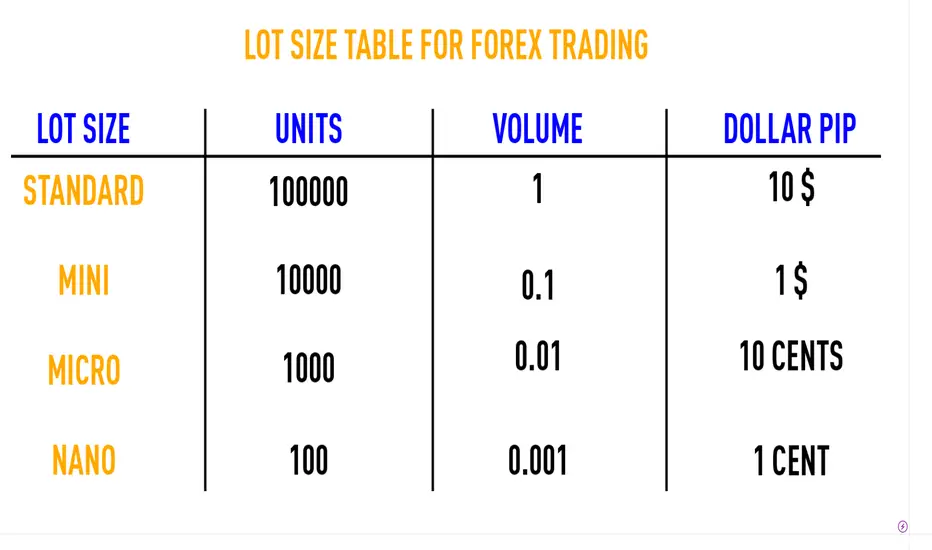
Your initial live trades should use the smallest position sizes your broker allows, typically micro lots (1,000 units of base currency) or even nano lots (100 units) if available. Trading small serves two crucial purposes: it limits your financial risk while you adjust to the psychological reality of live trading, and it allows you to focus on process rather than profits, building good habits that will serve you throughout your trading career.
A common approach for beginners is to risk no more than 0.5% to 1% of your account per trade. If you have a $1,000 account, this means risking just $5 to $10 per trade. While this might seem insignificant, it protects your account from rapid depletion during your learning curve. As you demonstrate consistent profitability and emotional control over dozens of trades, you can gradually increase position sizes to 1% to 2% risk per trade.
Setting Proper Stop-Loss and Take-Profit
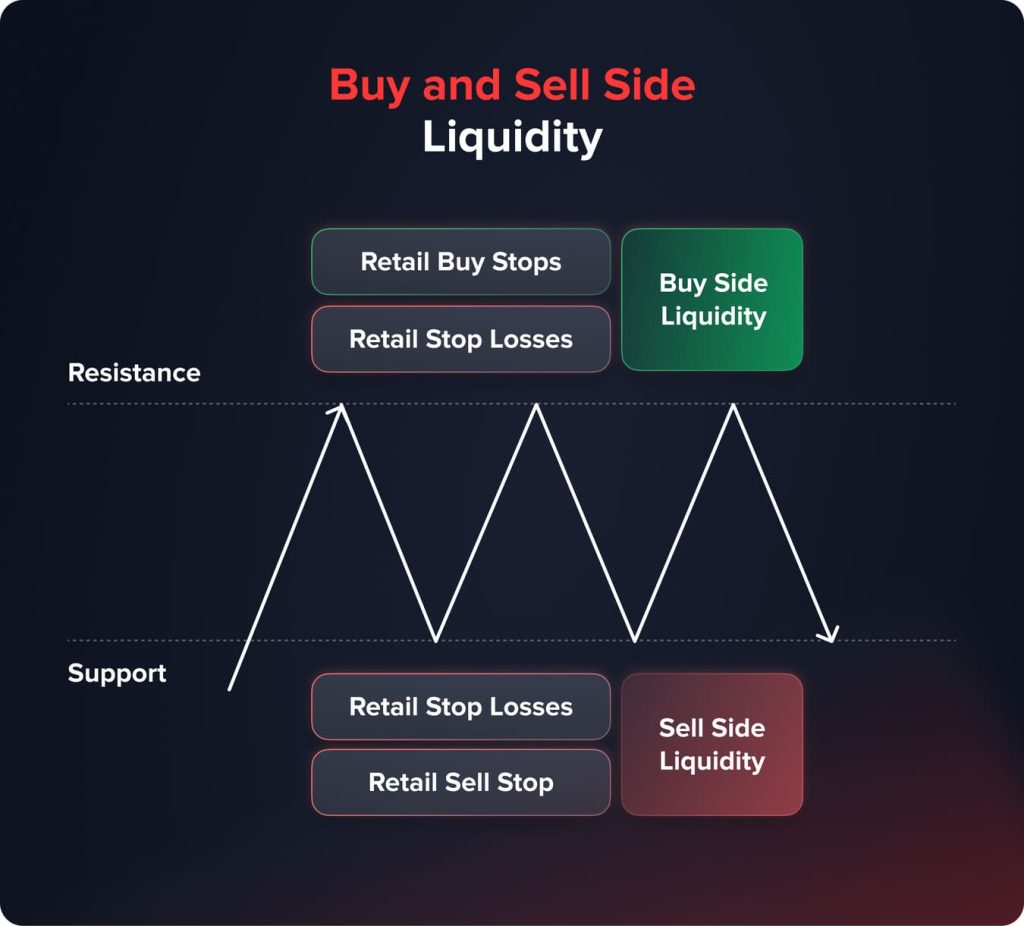
Every single trade you place must include a stop-loss order set before entering the position. The stop-loss is your predefined exit point that automatically closes a losing trade, preventing catastrophic losses from runaway market movements or emotional paralysis. Determine your stop-loss based on technical levels like support and resistance rather than arbitrary dollar amounts, ensuring it makes sense within the context of market structure.
Take-profit orders automate your profit-taking at predetermined price levels, removing emotional decision-making from the equation. Setting a take-profit order based on your risk-reward ratio ensures you capture gains when your analysis proves correct, rather than watching profits evaporate because you got greedy and held too long. A typical setup might risk 50 pips to target 100 pips, creating a 1:2 risk-reward ratio that tilts probability in your favor over many trades.
Recording Your Trades in a Journal
Maintaining a comprehensive trading journal separates amateur traders from professionals. Your journal should record far more than just entry and exit prices; document the market conditions that led to your trade, the specific setup or pattern you identified, your emotional state before and during the trade, and your adherence to your trading plan. Include screenshots of your charts showing your analysis.
Review your journal weekly to identify patterns in your trading behavior. You might discover you're more successful trading during certain sessions, that particular setups work better for you than others, or that emotional states like frustration or overconfidence precede your worst trades. These insights are invaluable for continuous improvement and impossible to gain without detailed record-keeping.
Building Consistency and Discipline
Consistency in forex trading comes from following a proven process repeatedly, regardless of short-term outcomes. This means trading only your high-probability setups even when opportunities seem scarce, maintaining identical risk parameters across all trades, and avoiding impulsive decisions driven by boredom or the need for action. Trading is not entertainment; it's a serious financial endeavor requiring professional discipline.
Set realistic expectations for your progress. Professional traders consider a 10% to 20% annual return on capital excellent performance, yet beginners often enter forex expecting to double their accounts monthly. These unrealistic expectations lead to excessive risk-taking and account destruction. Focus instead on executing your trading plan flawlessly, allowing profitable results to emerge naturally from consistent process adherence.
Your First Live Trade Checklist
- Confirmed your trading plan and strategy in demo account
- Deposited only money you can afford to lose
- Selected a single currency pair to focus on (preferably EUR/USD or GBP/USD)
- Calculated position size to risk no more than 1% of your account
- Identified a high-probability setup based on your tested strategy
- Set stop-loss order before entering the trade
- Set take-profit order based on predetermined risk-reward ratio
- Documented the trade in your trading journal with reasoning and screenshots
- Accepted that this single trade outcome doesn't define your trading career
- Prepared emotionally to follow your plan regardless of outcome
Frequently Asked Questions
Conclusion: Your Forex Trading Journey Begins Now
Learning how to start forex trading in 2025 is more accessible than ever, thanks to advanced platforms, comprehensive educational resources, and beginner-friendly brokers. However, accessibility doesn't guarantee success. The five steps outlined in this guide provide a proven framework: master the fundamentals before risking capital, choose a trading style matching your personality and schedule, select a regulated broker with competitive pricing, practice extensively on demo accounts until consistently profitable, and start live trading with conservative position sizes while maintaining meticulous records.
Remember that forex trading is a marathon, not a sprint. Professional traders spend years refining their skills, and even then, they experience losing periods. Your goal initially should be education and skill development rather than profit generation. Protect your capital through proper risk management, never risking more than 1% to 2% per trade. Stay humble, continue learning from both successes and failures, and maintain realistic expectations about returns and timelines.
The journey from beginner to profitable trader is challenging but absolutely achievable with dedication, discipline, and the right approach. Take your time with each step, resist the temptation to rush into live trading before you're ready, and focus on building a solid foundation of knowledge and practical experience. Your future trading success depends entirely on the preparation work you do today.
Ready to Continue Your Forex Education?
Explore these related articles to deepen your understanding:
Disclaimer: Forex trading involves substantial risk of loss and is not suitable for all investors. Past performance is not indicative of future results. This article is for educational purposes only and should not be considered financial advice. Always conduct thorough research and consider consulting with a qualified financial advisor before making trading decisions.
Comments
Post a Comment