
Fundamental Analysis in Forex: The Complete Guide to Trading Economic Data

Want to know what really moves currency prices? While technical analysis shows you "how" prices move, fundamental analysis reveals "why" they move. Master the economic forces driving the $7.5 trillion daily forex market and gain a powerful edge over chart-only traders.
Monthly Searches: 22,200 | Difficulty: Intermediate | Reading Time: 12 minutes
1. What is Fundamental Analysis in Forex?
Fundamental analysis is the study of economic, social, and political forces that affect currency supply and demand. Unlike technical analysis (which focuses on charts and patterns), fundamental analysis examines the underlying economic health of countries to predict long-term currency movements.
Why Fundamental Analysis Matters
Imagine you're trading EUR/USD. Technical analysis might show a support level at 1.0800, but fundamental analysis reveals why that level exists: the European Central Bank just announced interest rate hikes, making the Euro more attractive to investors seeking higher returns.
📊 Key Fact: According to a Bank for International Settlements study, over 60% of forex price movements can be attributed to fundamental factors like interest rate differentials and economic growth expectations.
Core Components of Fundamental Analysis
Fundamental analysis in forex revolves around three pillars:
- Economic Indicators: Data releases like GDP, employment figures, inflation rates, and manufacturing output
- Monetary Policy: Central bank decisions on interest rates, quantitative easing, and forward guidance
- Geopolitical Events: Elections, trade agreements, political instability, and international relations
Fundamental vs. Technical Analysis
| Aspect | Fundamental Analysis | Technical Analysis |
|---|---|---|
| Focus | Economic data, news, policies | Price charts, patterns, indicators |
| Time Horizon | Medium to long-term (weeks, months) | Short to medium-term (minutes to days) |
| Tools Used | Economic calendars, news feeds, reports | Charts, RSI, MACD, Moving Averages |
| Best For | Position traders, swing traders | Day traders, scalpers |
| Approach | Answers "why" prices move | Answers "when" to enter/exit |
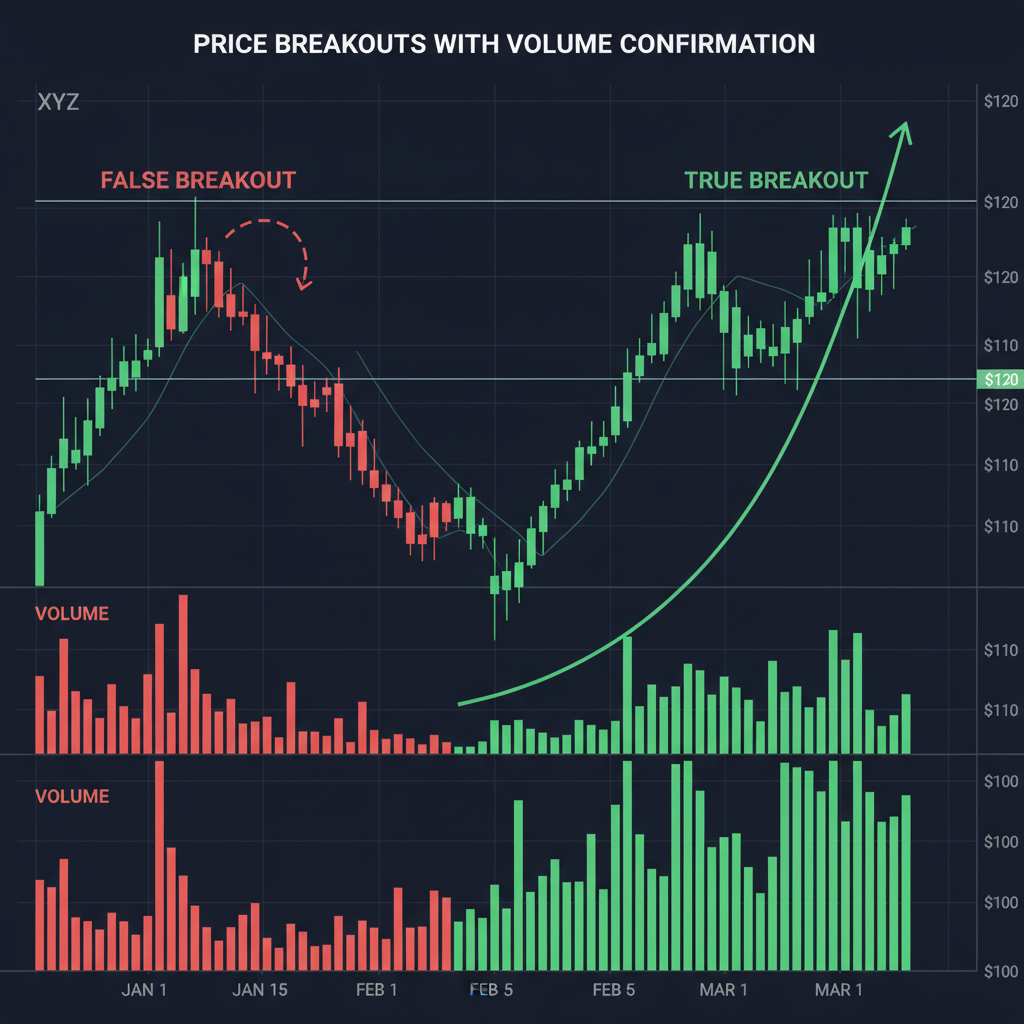
💡 Pro Tip: The most successful forex traders combine both approaches. Use fundamentals to determine direction (should I buy or sell EUR/USD?) and technicals to determine timing (when exactly should I enter?).
2. Major Economic Indicators that Move Currencies
Economic indicators are scheduled data releases that provide insights into a country's economic health. Understanding these indicators is crucial for fundamental analysis.
Interest Rates and Central Bank Policy
Impact Level: ⭐⭐⭐⭐⭐ (Highest)
Interest rates are the single most important fundamental factor in forex. When a central bank raises interest rates, it makes that country's currency more attractive to foreign investors seeking higher returns. This increased demand drives the currency value up.
Example: USD Strength from Fed Rate Hikes
Scenario: In 2022, the U.S. Federal Reserve raised interest rates from 0.25% to 4.50% to combat inflation.
Result: The U.S. Dollar Index (DXY) surged from 92 to 114 (+24%) as global investors moved capital into USD-denominated assets to capture higher yields.
Trading Opportunity: Traders who recognized this fundamental shift could buy USD against other currencies (especially those with lower rates like JPY or EUR).
Gross Domestic Product (GDP)
Impact Level: ⭐⭐⭐⭐
GDP measures the total economic output of a country. Higher GDP growth indicates a strong economy, which typically strengthens the currency.
- Frequency: Released quarterly (every 3 months)
- Strong GDP (>3%): Bullish for currency
- Weak GDP (<1%): Bearish for currency
- Example: If U.S. GDP grows 3.5% while Eurozone GDP grows only 1.2%, expect USD/EUR strength
Employment Data (Non-Farm Payrolls)
Impact Level: ⭐⭐⭐⭐⭐
Employment data, particularly the U.S. Non-Farm Payrolls (NFP) report, is among the most volatile market movers. Released on the first Friday of every month, NFP shows how many jobs were created (or lost) in the previous month.
Why NFP Matters: Strong employment = strong economy = potential for central bank rate hikes = stronger currency. The NFP release can cause 100+ uv pip moves in USD pairs within minutes.
Inflation Data (CPI and PPI)
Impact Level: ⭐⭐⭐⭐
Inflation indicators like the Consumer Price Index (CPI) and Producer Price Index (PPI) measure price changes in the economy:
- High Inflation: Often leads central banks to raise interest rates (hawkish), strengthening currency
- Low Inflation: May prompt rate cuts (dovish), weakening currency
- Core CPI: Excludes volatile food and energy prices, considered more reliable by central banks
Retail Sales and Consumer Spending
Impact Level: ⭐⭐⭐
Since consumer spending accounts for 60-70% of GDP in developed economies, retail sales data provides early clues about economic health.
| Indicator | Frequency | Impact on Currency | Best Pairs to Trade |
|---|---|---|---|
| Interest Rate Decision | 6-8 times/year | Very High (100-200 pips) | All major pairs |
| Non-Farm Payrolls (NFP) | Monthly | Very High (80-150 pips) | USD pairs |
| GDP Release | Quarterly | High (50-100 pips) | All major pairs |
| CPI (Inflation) | Monthly | High (60-120 pips) | All major pairs |
| Retail Sales | Monthly | Medium (30-60 pips) | USD, GBP, EUR pairs |
3. Central Banks: The Masters of Currency Value
Central banks are the most powerful players in the forex market. Their policy decisions can create trends lasting months or even years.
Major Central Banks and Their Influence
- Federal Reserve (Fed) - USD: The world's most influential central bank, controlling the global reserve currency
- European Central Bank (ECB) - EUR: Manages monetary policy for 20 Eurozone countries
- Bank of Japan (BoJ) - JPY: Known for ultra-loose monetary policy and yen intervention
- Bank of England (BoE) - GBP: Directly impacts the highly-traded British pound
- Reserve Bank of Australia (RBA) - AUD: Commodity-linked currency influenced by China's economy
Hawkish vs. Dovish Policy
Understanding central bank "tone" is critical:
🦅 Hawkish Policy (Bullish for Currency)
Characteristics:
- Raising interest rates or signaling future hikes
- Reducing monetary stimulus (tapering)
- Expressing concern about inflation
- Using phrases like "vigilant," "tightening necessary," "data-dependent"
Trading Strategy: Buy the currency when central bank adopts hawkish stance
Example: "The Fed signals three more rate hikes this year" → Buy USD
🕊️ Dovish Policy (Bearish for Currency)
Characteristics:
- Cutting interest rates or signaling future cuts
- Increasing monetary stimulus (QE)
- Downplaying inflation concerns
- Using phrases like "patient," "supportive," "accommodative"
Trading Strategy: Sell the currency when central bank adopts dovish stance
Example: "The ECB maintains negative rates and expands QE" → Sell EUR
Reading Central Bank Statements
Every central bank decision comes with a policy statement and often a press conference. Here's what to watch:
- Interest Rate Decision: The headline number (raised, lowered, or held)
- Forward Guidance: Hints about future policy direction
- Economic Projections: Updated forecasts for GDP, inflation, unemployment
- Dot Plot (Fed): Individual members' rate predictions
- Press Conference: Watch the chairman's tone and responses to questions
⚠️ Important: Markets react to surprises, not expectations. If everyone expects a 0.25% rate hike and that's what happens, the market may not move much. But if the Fed raises 0.50% when only 0.25% was expected, expect significant volatility.
4. Interest Rate Differentials: The Carry Trade Concept
One of the most important fundamental concepts in forex is the interest rate differential—the difference in interest rates between two countries.
How Interest Rate Differentials Work
When you buy a currency pair, you're simultaneously:
- Buying the base currency (earning its interest rate)
- Selling the quote currency (paying its interest rate)
Carry Trade Example: AUD/JPY
Scenario (2023):
- Australia interest rate: 4.10%
- Japan interest rate: -0.10%
- Interest rate differential: 4.20%
Strategy: Buy AUD/JPY to earn the 4.20% differential (plus any price appreciation)
Risk: If AUD/JPY falls more than 4.20% annually, you'll lose money despite earning the interest differential
Best Conditions: Stable or trending market in your favor
Popular Carry Trade Pairs
| Currency Pair | High-Yield Currency | Low-Yield Currency | Typical Differential |
|---|---|---|---|
| AUD/JPY | Australian Dollar | Japanese Yen | 3.5% - 4.5% |
| NZD/JPY | New Zealand Dollar | Japanese Yen | 4.0% - 5.0% |
| GBP/JPY | British Pound | Japanese Yen | 4.5% - 5.5% |
| USD/TRY | Turkish Lira | US Dollar | 15% - 25% (high risk) |
⚠️ Carry Trade Risks: Carry trades work well in stable markets but can collapse quickly during risk-off events. The 2008 financial crisis saw AUD/JPY drop 40% in months, wiping out years of carry trade profits.
5. Combining Fundamental and Technical Analysis
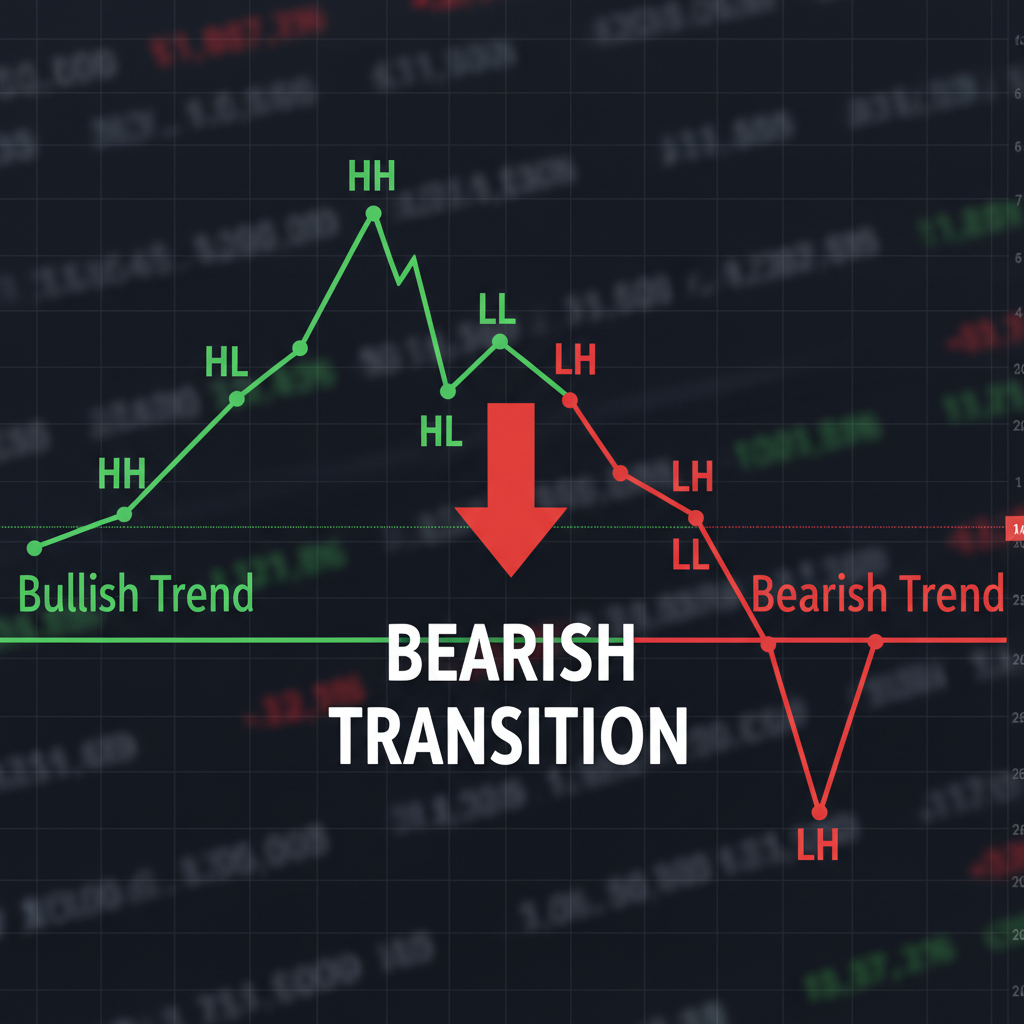
The most powerful trading approach combines fundamental analysis for direction and technical analysis for timing.
The Top-Down Trading Approach
Step-by-Step Integration Strategy
Step 1: Fundamental Analysis (Direction)
- Check the economic calendar for upcoming events
- Compare interest rates between the two countries
- Assess economic growth (GDP, employment trends)
- Determine the central bank's policy stance (hawkish/dovish)
- Decision: Should I be buying or selling this pair?
Step 2: Technical Analysis (Timing)
- Identify the current trend on daily/weekly charts
- Find key support and resistance levels
- Look for entry signals (breakouts, pullbacks, reversals)
- Set stop-loss and take-profit levels
- Decision: When exactly should I enter and exit?
Practical Example: EUR/USD Trade Setup
Fundamental Analysis:
- The Federal Reserve is raising rates (hawkish)
- The ECB is maintaining low rates (dovish)
- U.S. GDP growth (3.2%) exceeds Eurozone growth (1.1%)
- U.S. unemployment at historic lows (3.5%)
- Conclusion: Fundamentals favor USD strength → Sell EUR/USD
Technical Analysis:
- EUR/USD is in a downtrend (lower highs, lower lows)
- Price is approaching resistance at 1.0850
- RSI showing overbought conditions
- Entry Signal: Wait for price to reject 1.0850 resistance
- Entry: Sell at 1.0840 | Stop Loss: 1.0900 | Take Profit: 1.0650
💡 Golden Rule: Never trade against strong fundamental trends. If fundamentals say "buy USD," don't try to short USD just because you see a technical setup. Wait for technical setups that align with the fundamental direction.
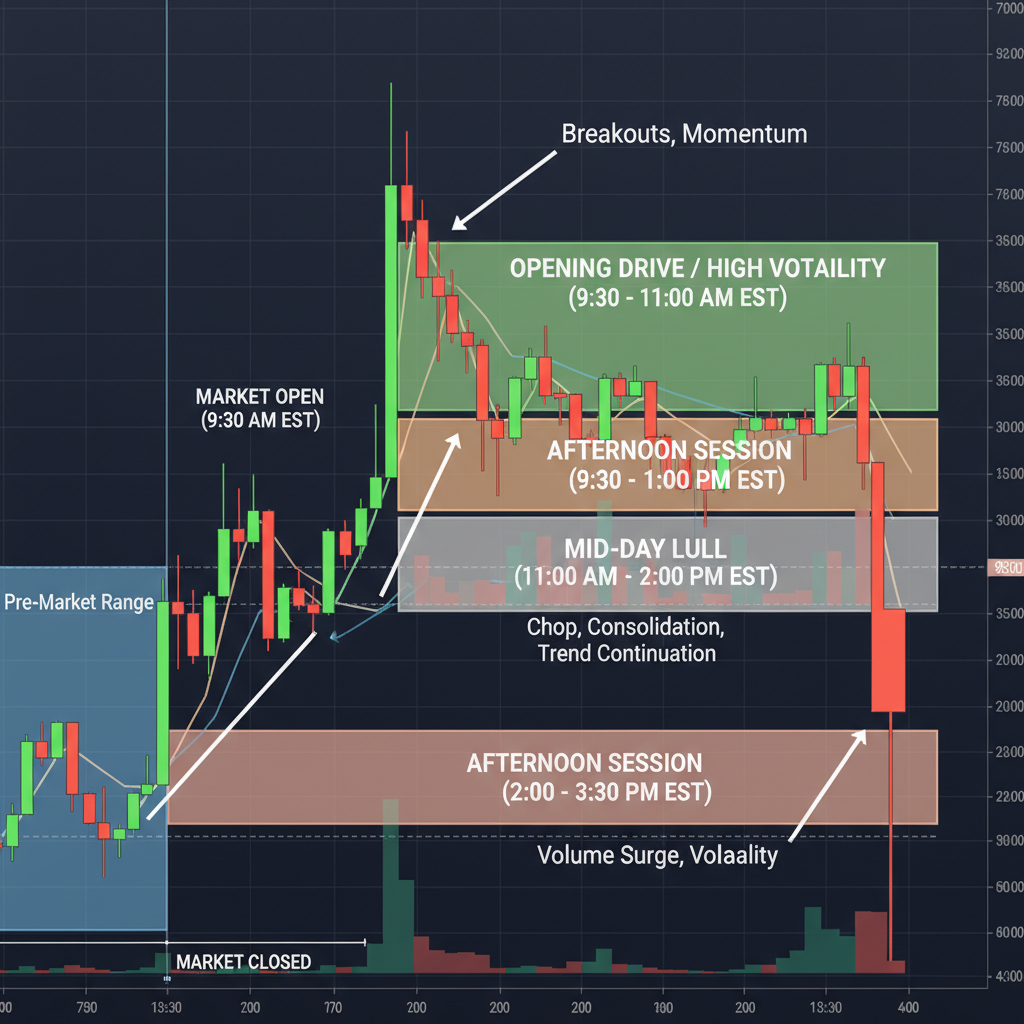
Time Horizons for Different Strategies
| Trading Style | Primary Analysis | Secondary Analysis | Typical Trade Duration |
|---|---|---|---|
| Scalping | Technical (95%) | Fundamental (5%) | Seconds to minutes |
| Day Trading | Technical (80%) | Fundamental (20%) | Minutes to hours |
| Swing Trading | Both equally (50/50) | Both equally | Days to weeks |
| Position Trading | Fundamental (80%) | Technical (20%) | Weeks to months |
Key Fundamental Resources
- ForexFactory.com: Economic calendar with real-time updates
- Investing.com: Economic indicators and central bank statements
- TradingEconomics.com: Historical economic data and forecasts
- Central Bank Websites: Direct policy statements and meeting minutes
- Bloomberg/Reuters: Professional-grade news and analysis
Frequently Asked Questions
⚠️ Risk Disclaimer
Trading forex carries substantial risk and is not suitable for every investor. The high degree of leverage available in forex can work against you as well as for you. Before deciding to trade forex, you should carefully consider your investment objectives, level of experience, and risk appetite.
Past performance is not indicative of future results. Economic indicators and fundamental analysis cannot predict future price movements with certainty. Always use proper risk management, never risk more than 1-2% of your account per trade, and consider seeking advice from an independent financial advisor.
Educational purposes only: This article is for educational purposes only and does not constitute financial advice. The examples provided are hypothetical and may not reflect actual market conditions.
Comments
Post a Comment