
Economic Calendar: The Forex Trader's Essential Guide to Market Events
The economic calendar is the forex trader's early warning system. It's your roadmap to market volatility, your guide to when big moves happen, and your tool for profiting from fundamental analysis. While technical analysis shows you what's happening on the charts, the economic calendar tells you when big moves are about to happen.
What is an Economic Calendar?
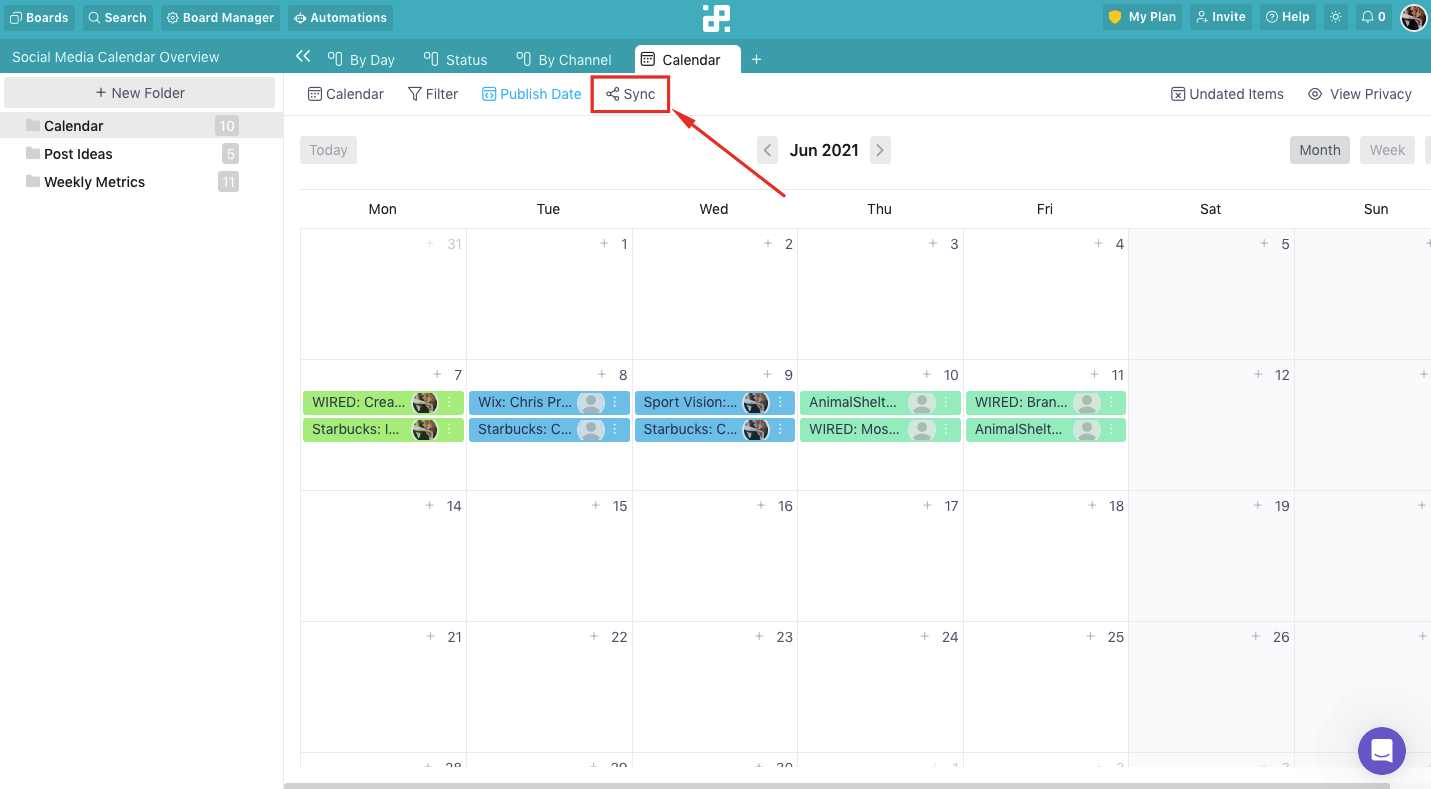
An economic calendar is a comprehensive schedule of upcoming economic events, data releases, and announcements that can impact currency values. These events range from interest rate decisions by central banks to employment reports, inflation data, and geopolitical announcements.
Every major economic event has three critical characteristics that traders must understand:
- Timing: When the news will be released
- Impact Level: How much the event typically moves markets
- Currency Focus: Which currencies are most affected
Understanding Impact Levels
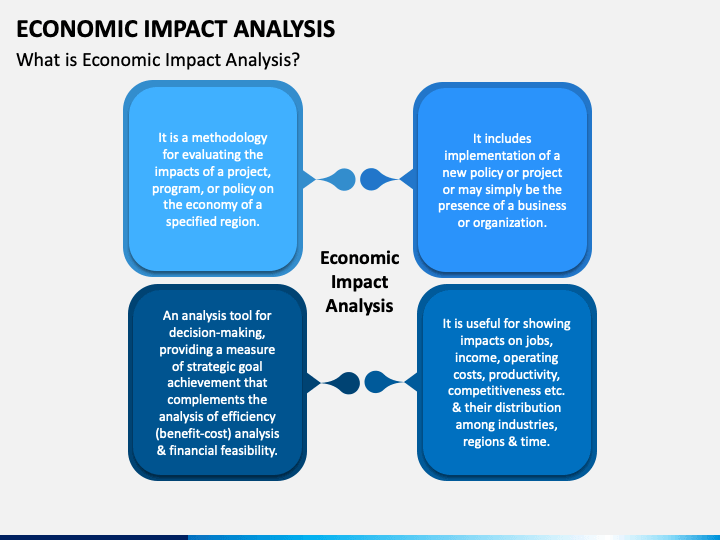
Economic events are categorized by their potential market impact. This classification helps traders prioritize their attention and trading preparation:
| Impact Level | Description | Typical Market Move | Example Events |
|---|---|---|---|
| HIGH | Major market movers that can cause significant volatility | 50-200+ pips | Interest rate decisions, NFP, GDP |
| MEDIUM | Notable releases that create moderate market moves | 20-50 pips | Retail sales, industrial production |
| LOW | Minor events with limited market impact | 5-20 pips | Wholesale inventories, trade balance |
Major High-Impact Economic Events
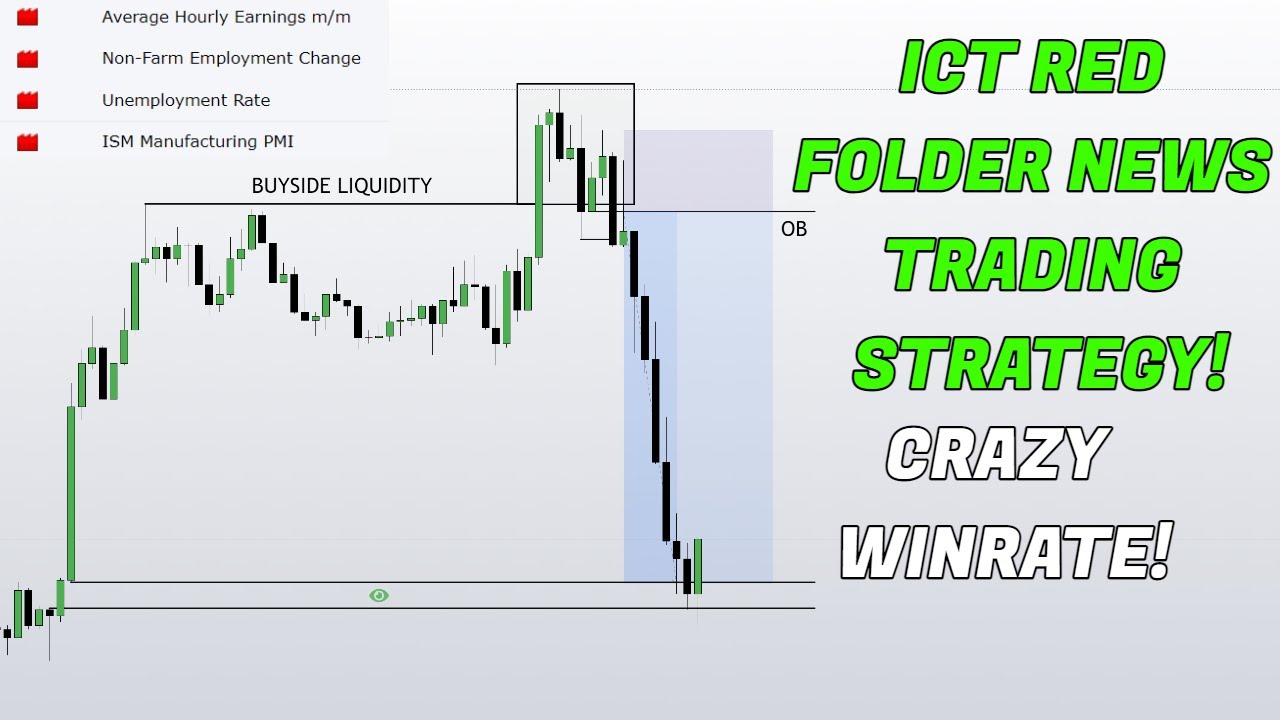
1. Interest Rate Decisions
Central bank interest rate decisions are the king of economic events. They're scheduled well in advance and move markets the most:
Interest Rate Trading Strategy
Preparation:
- Review central bank commentary from previous meetings
- Check economic forecasts vs. actual recent data
- Understand "rate expectations" vs. "actual decision"
Execution:
- Wait 5-10 minutes after announcement for initial volatility
- Trade retests of major levels after the initial spike
- Use wide stops (50-100 pips) due to high volatility
2. Non-Farm Payrolls (NFP)
The monthly US employment report released on the first Friday of each month. It consistently delivers high volatility and clear trading opportunities.
NFP Trading Approach
Buy EUR/USD when:
- US jobs data disappoints expectations
- EUR data surprises positively
- Fed dovish sentiment increases
NFP Preparation
Check these factors:
- Unemployment rate (jobless claims trend)
- Average hourly earnings (inflation pressure)
- Manufacturing vs. services job growth
3. Consumer Price Index (CPI)
Inflation data is crucial because it directly influences central bank policy decisions. High inflation often leads to tighter monetary policy and stronger currencies.
4. Gross Domestic Product (GDP)
GDP data shows economic growth trends. Strong growth can lead to currency appreciation, while weak growth can cause depreciation.
5. Retail Sales
Consumer spending represents a large portion of economic activity. Strong retail sales data typically supports stronger currencies.
How to Use an Economic Calendar Effectively
Step 1: Plan Your Trading Week
Every Sunday, review the upcoming week's economic calendar. Identify high-impact events and plan your trading strategy around them:
- Mark high-impact events on your trading calendar
- Avoid trading immediately before major releases (30 minutes)
- Prepare for volatility around scheduled events
- Adjust position sizes if holding trades during news
Step 2: Check the Calendar Daily
Each morning, quickly scan for any medium or high-impact events occurring later that day. This helps you:
- Avoid being caught in unexpected volatility
- Prepare appropriate trading strategies
- Set alerts for important releases
- Manage existing positions appropriately
Step 3: Understand Market Expectations
The key to trading economic releases is understanding what the market expects vs. what might actually happen:
Economic Calendar Trading Strategies
1. The Fade Strategy
Concept: After a big news-driven move, the market often reverses or retraces significantly.
How to Trade:
- Wait 15-30 minutes after the initial news spike
- Look for over-extended moves against technical levels
- Enter in the direction of the "true" market trend
- Use tight stops (20-30 pips)
2. The Volatility Breakout
Concept: During highly volatile news releases, use widening price ranges to capture trending moves.
How to Trade:
- Identify key support/resistance levels before the news
- Use wider stops (50-100 pips) to accommodate volatility
- Trade breakouts in the direction of the initial move
- Trail stops using the Average True Range (ATR)
3. The Pre-News Position
Concept: Position yourself before major announcements based on fundamentals.
How to Trade:
- Research which direction the data is likely to surprise
- Take smaller position sizes to account for uncertainty
- Use wider stops and take-profit levels
- Be prepared to hold through the volatility
Economic Calendar Setup and Tools
The best economic calendars provide several key features:
- Real-time updates as data gets revised
- Historical data to compare current releases
- Multiple time zones to account for global markets
- Customizable filters by currency and impact level
- Push notifications for breaking news
Managing Risk During Economic Events
Economic releases create both opportunity and risk. Here's how to manage both:
Position Size Adjustments
- Reduce size 50% if holding through major news
- Use wider stops to avoid getting stopped by noise
- Take partial profits before major releases
- Close risky trades before high-impact events
Timing Considerations
Avoid Trading During:
- 5 minutes before major releases
- The first 5-15 minutes after
- Low liquidity periods with news
Best Trading Times:
- 30+ minutes after initial spike
- During retests of key levels
- When volatility settles down
Common Economic Calendar Mistakes
- Ignoring revision risk: Initial data releases often get revised, potentially reversing market sentiment.
- Trading the rumor: Markets often "price in" expected outcomes. Don't trade on speculation alone.
- Using regular stops: News creates false breakouts. Use wider stops or avoid trading during the most volatile periods.
- Overtrading on one event: Resist the urge to trade every major news release.
- Forgetting about multiple impacts: Consider how one region's news affects other currencies.
Advanced Economic Calendar Techniques
Correlation Analysis
Understanding how different economic events affect currency correlations:
- Positive correlations: EUR/USD and GBP/USD often move together on USD news
- Negative correlations: USD strength often leads to weakness in AUD/USD and NZD/USD
- Commodity currencies: CAD, AUD, and NZD respond differently to commodity price news
Multi-Timeframe Analysis
Use the economic calendar in conjunction with technical analysis:
- Daily charts: Identify major support and resistance levels
- 4-hour charts: Plan your trading strategy for the day
- 1-hour charts: Execute your trades with precision
- Economic calendar: Know when to expect volatility
Regional Economic Calendar Differences
Different regions have different economic calendars and trading characteristics:
| Region | Most Important Events | Trading Characteristics | Best Times to Trade |
|---|---|---|---|
| US | NFP, CPI, GDP, FOMC | High volatility, global impact | 8:30-10:00 AM EST |
| Europe | ECB rates, CPI, PMI | Moderate volatility, EUR focus | 4:00-6:00 AM EST |
| UK | BoE rates, CPI, Employment | High GBP volatility | 4:30-5:30 AM EST |
| Japan | BoJ rates, Tankan, Trade Balance | JPY-specific moves | 7:30 PM-12:00 AM EST |
Building Your Economic Event Trading Routine
Daily Preparation (15 minutes)
- Open your economic calendar
- Identify today's medium and high-impact events
- Check the time zone differences
- Review how this might affect your current positions
- Adjust your trading plan accordingly
Weekly Review (30 minutes every Sunday)
- Identify the week's major economic events
- Mark these on your trading calendar
- Plan which events you'll trade vs. avoid
- Research fundamental themes for the week
- Adjust your risk management for news-heavy periods
Conclusion
The economic calendar is your roadmap to understanding when and why markets move. It's not just about knowing when news is released—it's about understanding the significance of each event and preparing accordingly.
Successful economic calendar trading requires:
- Consistent monitoring of upcoming events
- Understanding impact levels and significance
- Appropriate risk management for volatile periods
- Patience to wait for the right opportunities
- Discipline to stick to your trading plan
Remember, economic events create opportunity, but they also create risk. Treat the economic calendar as your planning tool, not your gambling device. The best traders use the calendar to avoid surprises and capitalize on market inefficiencies.
Comments
Post a Comment