
50 Pips Daily Forex Strategy: Does It Work?

The 50 pips daily strategy has become one of the most discussed forex trading approaches among beginner traders seeking consistent daily profits. This organized trading method aims to capture 50 pips of movement each trading day, but does it truly deliver on its promised results? In this comprehensive guide, we'll examine how this strategy works, its strengths and weaknesses, and whether it can deliver the consistent returns that attract many traders.
The appeal of earning 50 pips daily cannot be denied. For many traders, the idea of turning small, consistent profits into substantial long-term gains represents the holy grail of forex trading. However, like all trading strategies, the 50 pips daily strategy comes with its own unique set of challenges, requirements, and realistic expectations that every trader must understand before implementation.
1. Understanding the 50-Pips-a-Day Strategy
What is the 50-Pips-a-Day Strategy?
The 50 pips a day forex strategy is a systematic trading approach designed to capture exactly 50 pips of profit each trading day. Unlike complex trading systems that require extensive technical analysis, this strategy focuses on identifying high-probability setups during specific market conditions and times.
Originally developed by forex educators seeking to simplify trading for beginners, the strategy typically operates on shorter timeframes (15-minute to 1-hour charts) and emphasizes quick entry and exit points. The core principle revolves around riding short-term momentum while maintaining strict risk management to preserve capital during unfavorable market conditions.
- Daily profit target of 50 pips
- Focus on major currency pairs with high liquidity
- Specific trading hours for optimal market conditions
- Predefined risk-reward ratios
- Quick execution with limited exposure duration
Timeframe and Market Sessions
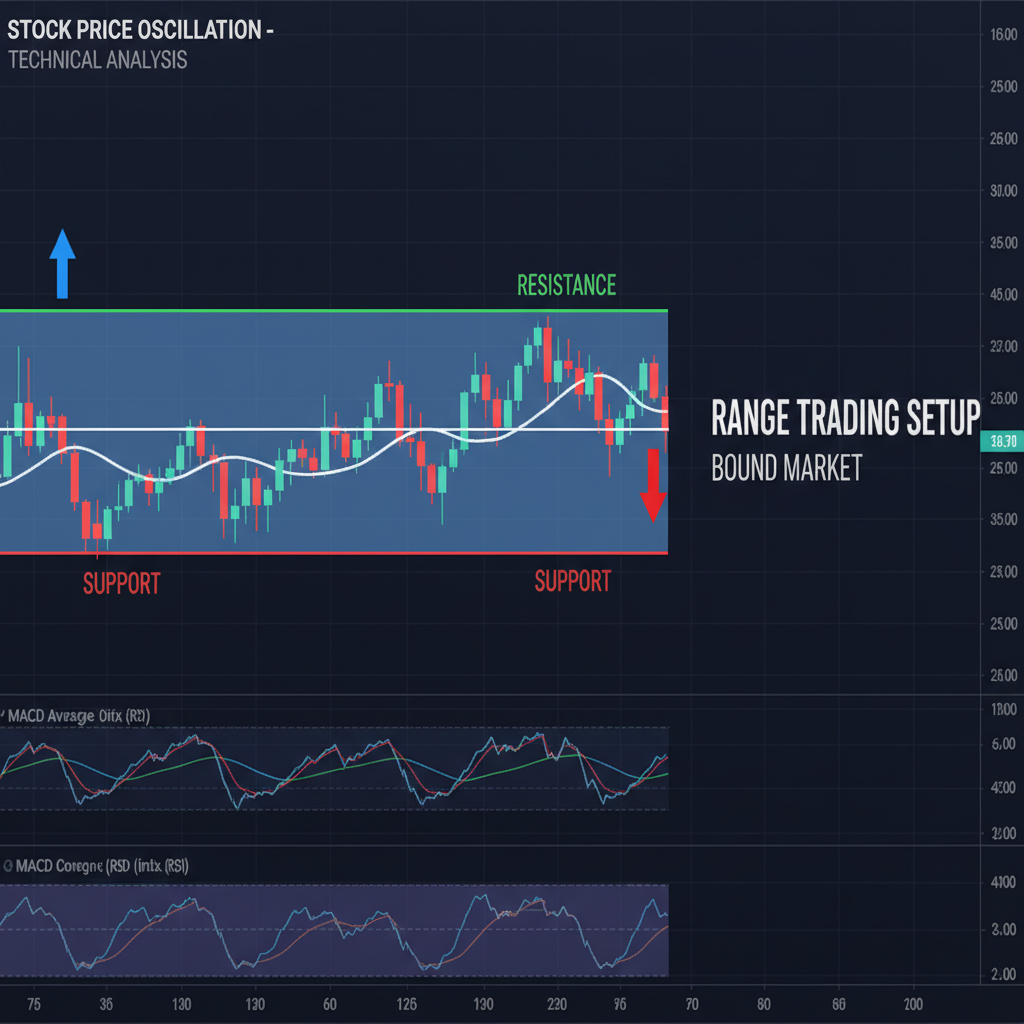
The strategy typically operates during the most volatile market sessions, particularly the London and New York overlaps (8:00 AM to 12:00 PM EST). This timing takes advantage of increased liquidity and price movements that are essential for capturing meaningful pip movements within shorter timeframes.
Most implementations use the 15-minute or 30-minute charts as the primary timeframe, allowing traders to identify entry points while maintaining enough granularity to execute precise entries and exits. Some variations incorporate multiple timeframe analysis, using 1-hour charts for trend direction and 15-minute charts for timing entries.
Preferred Currency Pairs
The strategy works best with major currency pairs that offer tight spreads and high liquidity:

- EUR/USD: Most popular due to tight spreads and predictable movements
- GBP/USD: Higher volatility allows for faster pip capture
- USD/JPY: Stable movements during Asian-European overlap
- AUD/USD: Good for traders in Asia-Pacific regions
Realistic Profit Expectations
While the name suggests 50 pips daily, successful practitioners often aim for 30-70 pips to account for market variability. The strategy acknowledges that some days may yield more than 50 pips, while others might fall short. The key lies in maintaining consistency over weekly and monthly periods rather than achieving the exact target every single day.
2. Strategy Rules and Setup
7 AM GMT Candle Rule
Most popular variants of the 50 pips daily strategy focus on the formation of the 7 AM GMT hourly candle. This timing coincides with increased European market activity and often provides a clear directional bias for the trading day.
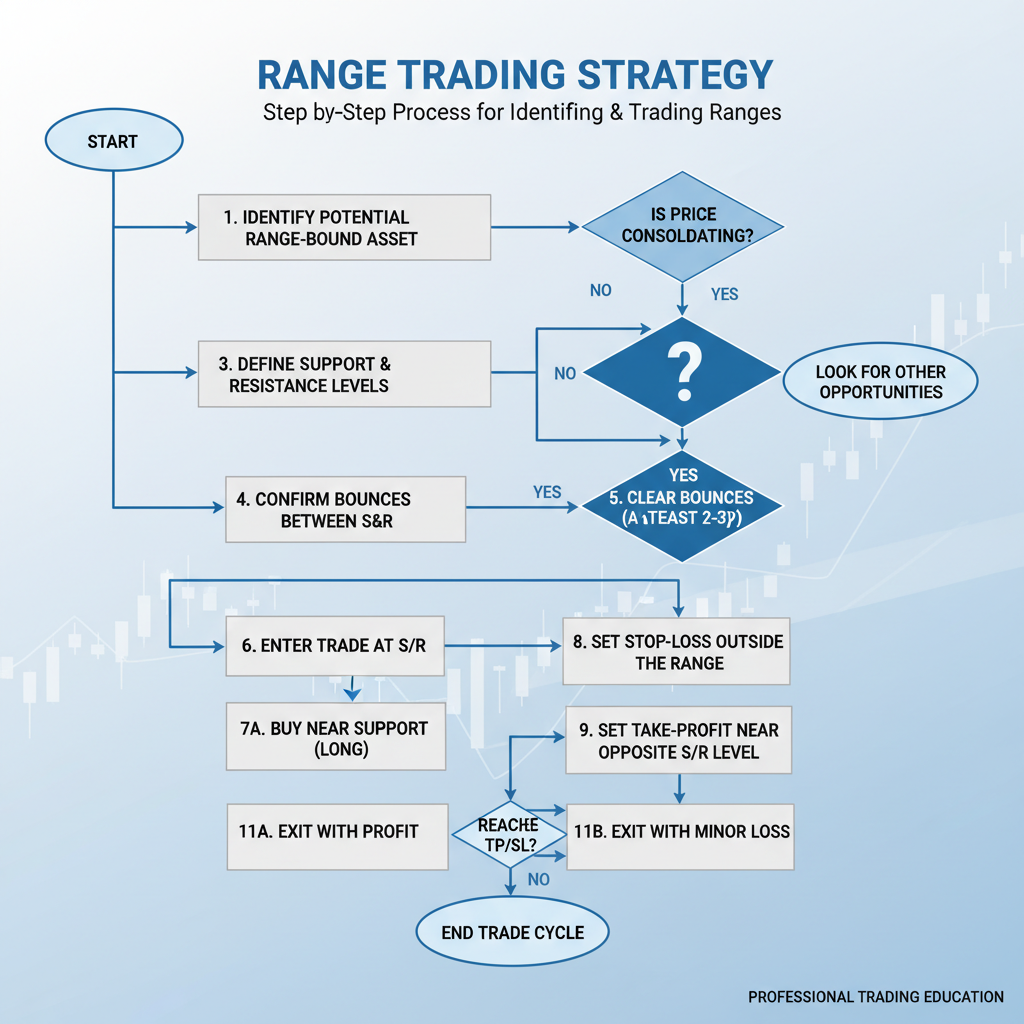
Here's how the setup works:
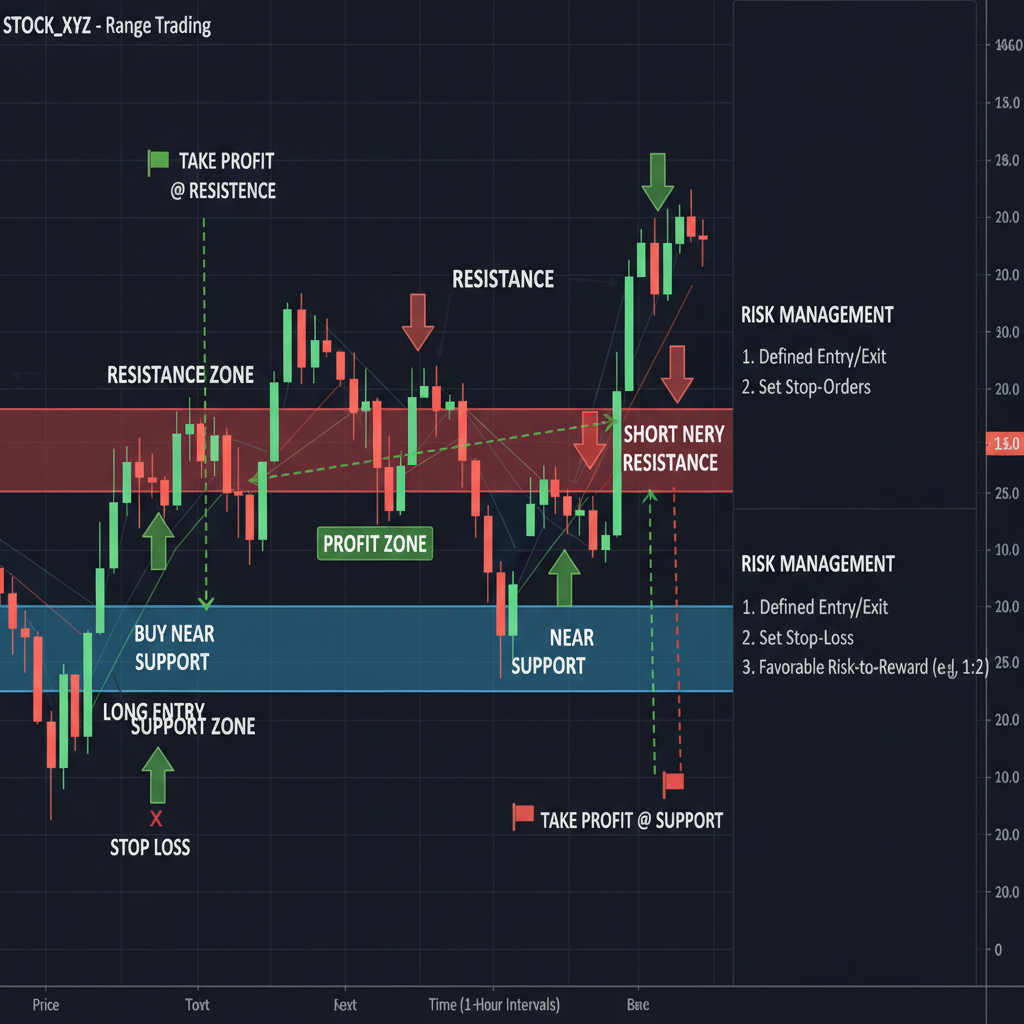
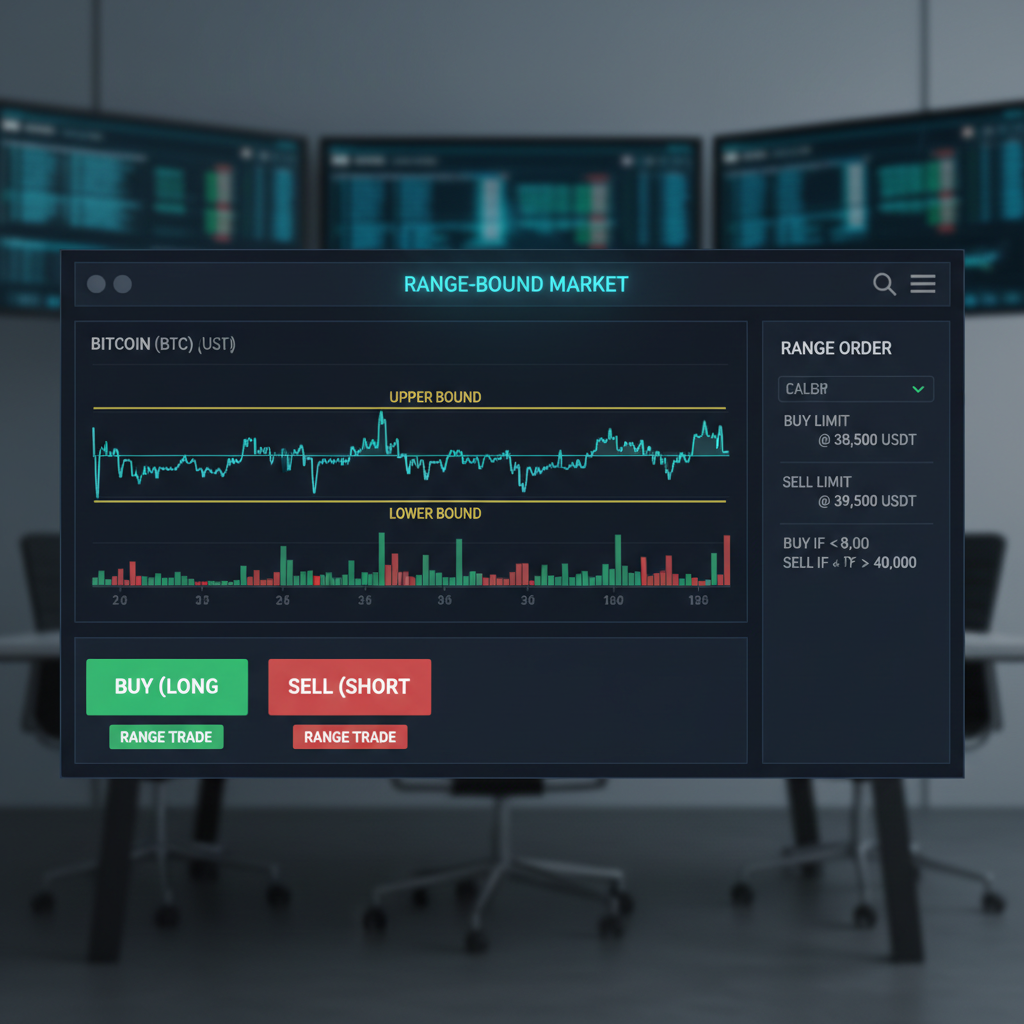
- Identify the Range: At 7:00 AM GMT, note the high and low of the hourly candle
- Place Pending Orders: Set buy-stop order 2-3 pips above the high, sell-stop order 2-3 pips below the low
- Set Targets: 50-pip profit target from entry point
- Risk Management: 30-pip stop-loss on the opposite side of the range
Order Management (OCO)
The strategy employs "One Cancels Other" order management, meaning when one pending order is triggered, the other cancels automatically. This approach allows traders to capture breakouts in both directions without manually monitoring the market continuously.

| Setup Component | Buy Setup | Sell Setup |
|---|---|---|
| Entry Trigger | Break above 7 AM GMT high + 2-3 pips | Break below 7 AM GMT low - 2-3 pips |
| Stop Loss | 7 AM GMT low - 30 pips | 7 AM GMT high + 30 pips |
| Take Profit | Entry + 50 pips | Entry - 50 pips |
| Risk-Reward Ratio | Approximately 1:1.5 to 1:2 | Approximately 1:1.5 to 1:2 |
Position Sizing Guidelines
Proper position sizing is crucial for the strategy's long-term success. Most experienced practitioners recommend risking no more than 1-2% of account balance per trade. With a typical 30-pip stop loss, position sizes should be calculated accordingly:
Position Size = (Account Balance × Risk Percentage) ÷ (Stop Loss in Pips × Pip Value)
Example: $10,000 account, 2% risk, 30-pip stop loss on EUR/USD
Position Size = ($10,000 × 0.02) ÷ (30 × $1) = $200 ÷ $30 = 0.67 lots
Trade Management Rules
Beyond the initial setup, successful implementation requires clear trade management rules:
- No additional entries: Once triggered, wait for the trade to complete before considering new setups
- Partial profit taking: Some traders close half the position at 25 pips and move stop-loss to breakeven
- Time-based exits: If no significant movement occurs within 4-6 hours, consider manual exit
- Daily limits: Maximum of 1-2 setups per day to avoid overtrading
3. Advantages and Disadvantages Analysis
Advantages of the 50 Pips Daily Strategy
Simplicity and Clarity
The straightforward approach of the strategy makes it accessible to beginner traders who have mastered basic forex concepts. Unlike complex technical analysis systems that require multiple indicators, this method focuses on clear price action signals and predefined rules.
Defined Risk Management
With predetermined stop-loss and take-profit levels, traders know the maximum risk and potential reward before entering any position. This clarity helps prevent emotional decision-making and promotes disciplined trading habits.
Time Efficiency
The strategy requires minimal chart time once the initial setup is complete. Traders can place their orders and go about their day, making it suitable for those who cannot monitor markets continuously.
Psychological Benefits
The focus on small, consistent gains can help build confidence and reduce the pressure associated with seeking large profits. This approach often suits traders who prefer steady progress over volatile swings.
- Clear entry and exit rules reduce hesitation
- Limited daily exposure reduces emotional stress
- Consistent approach builds trading discipline
- Manageable risk levels protect capital
Disadvantages and Limitations
Market Condition Dependency
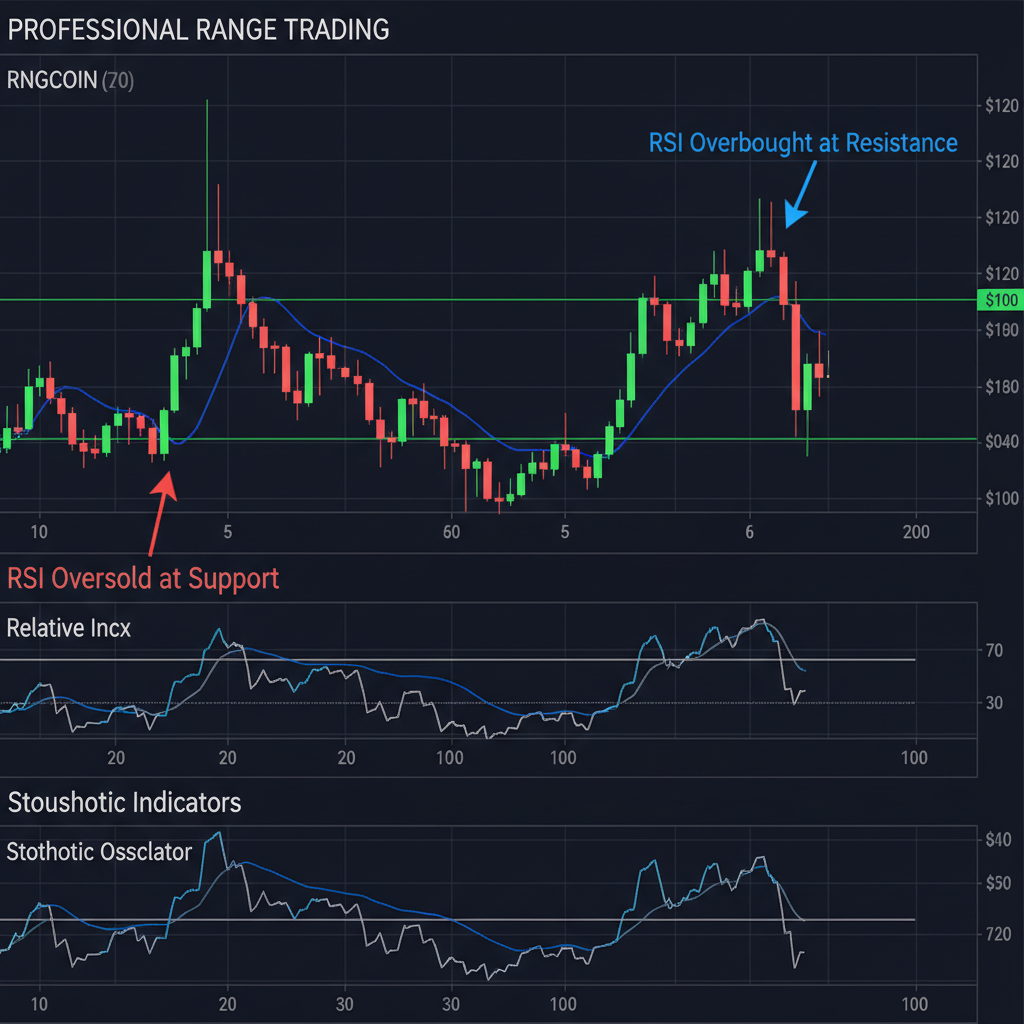
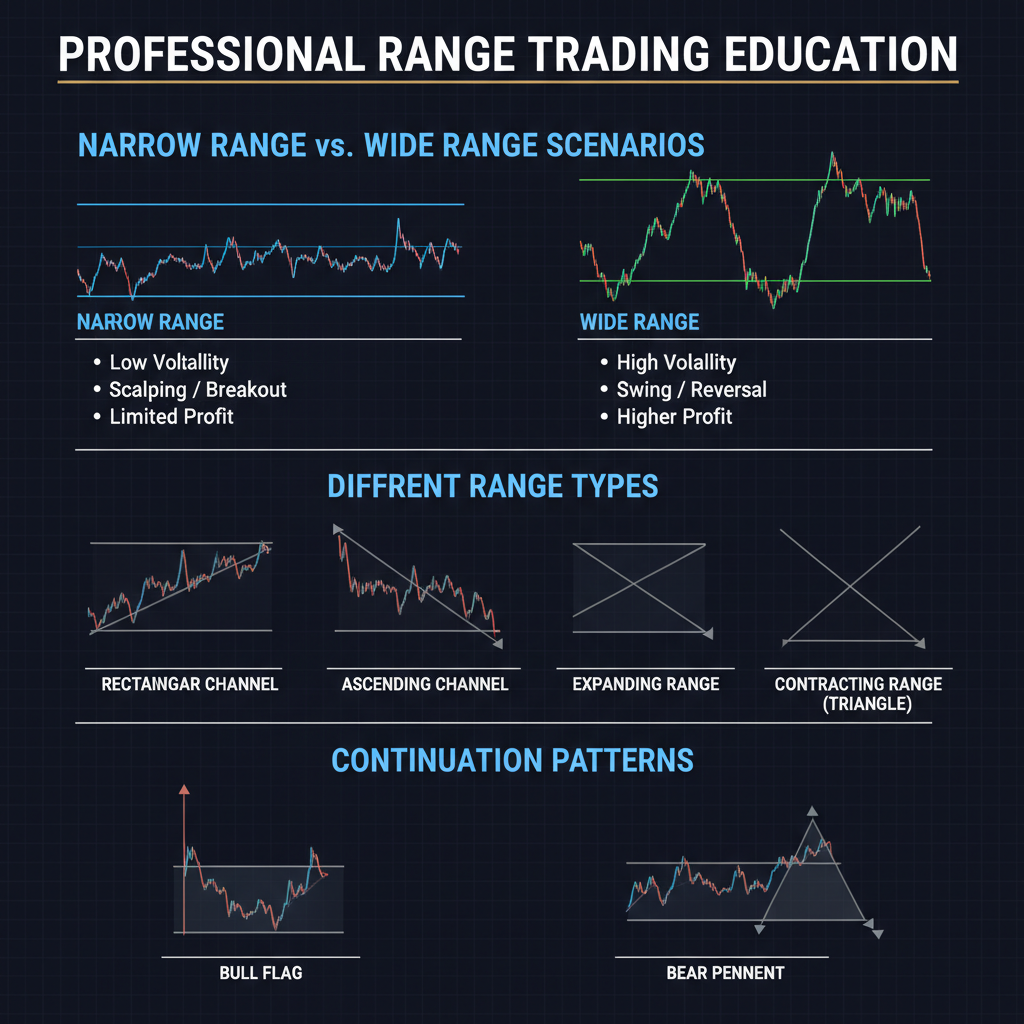
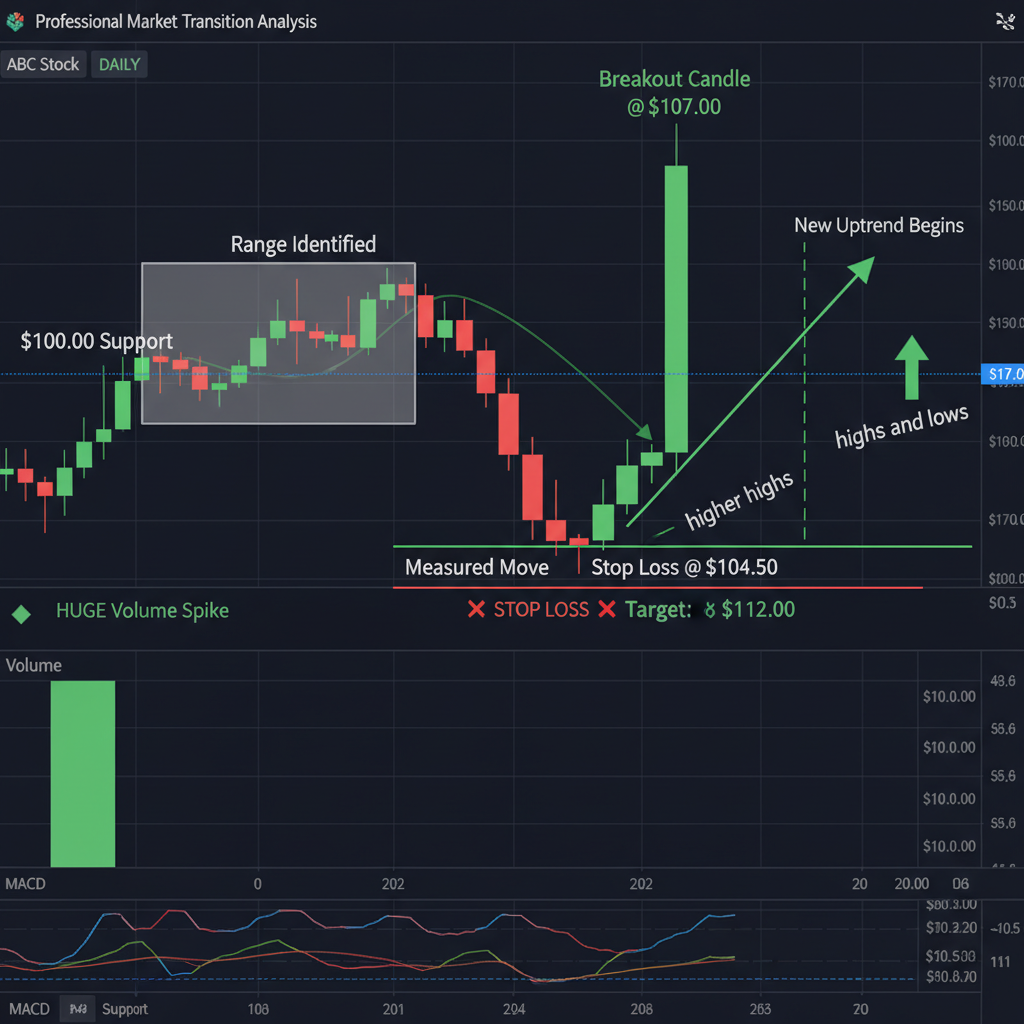
The strategy works best during trending market conditions with clear breakouts. During sideways, choppy markets, false breakouts become frequent, leading to consecutive losses that can quickly deplete capital.
Limited Profit Potential
By capping profits at 50 pips, traders may miss significant moves that could yield 100-200 pips or more. This limitation becomes particularly frustrating during strong trending days when markets move favorably beyond the target.
Success Rate Requirements
With typical risk-reward ratios around 1:1.5, the strategy requires a success rate of approximately 60-65% to remain profitable after accounting for spreads and commissions. This requirement can be challenging to maintain consistently.
Economic Event Vulnerability
Major economic announcements can trigger violent price swings that blow through stop-losses or create false signals. Traders must be aware of economic calendars and potentially avoid trading during high-impact news releases.
- False breakouts in ranging markets
- Slippage during volatile conditions
- Commission and spread costs eating into profits
- Psychological pressure to achieve daily targets
- Overtrading when setups fail
When to Use and When to Avoid
Optimal Market Conditions:
- Clear trending markets with sustained momentum
- Normal volatility levels (not extremely high or low)
- Active trading sessions with good liquidity
- Absence of major economic events
Conditions to Avoid:
- Major central bank announcements or FOMC meetings
- Extremely low volatility periods (such as holiday weeks)
- Highly volatile market conditions with erratic price movements
- Friday afternoons when institutional traders reduce activity
4. Variations and Improvements
Profit Target Adjustments
While the standard approach targets 50 pips, many successful traders prefer adjusting their targets based on market conditions and volatility. During high volatility periods, targets might extend to 70-80 pips, while calm markets might see reduced targets of 30-40 pips.

Dynamic Target Adjustment:
- Volatility-based scaling: Use Average True Range (ATR) to adjust targets
- Session-specific targets: Higher targets during London/NY overlap
- Pair-specific adjustments: GBP pairs might warrant higher targets than EUR pairs
Adding Confirmation Signals
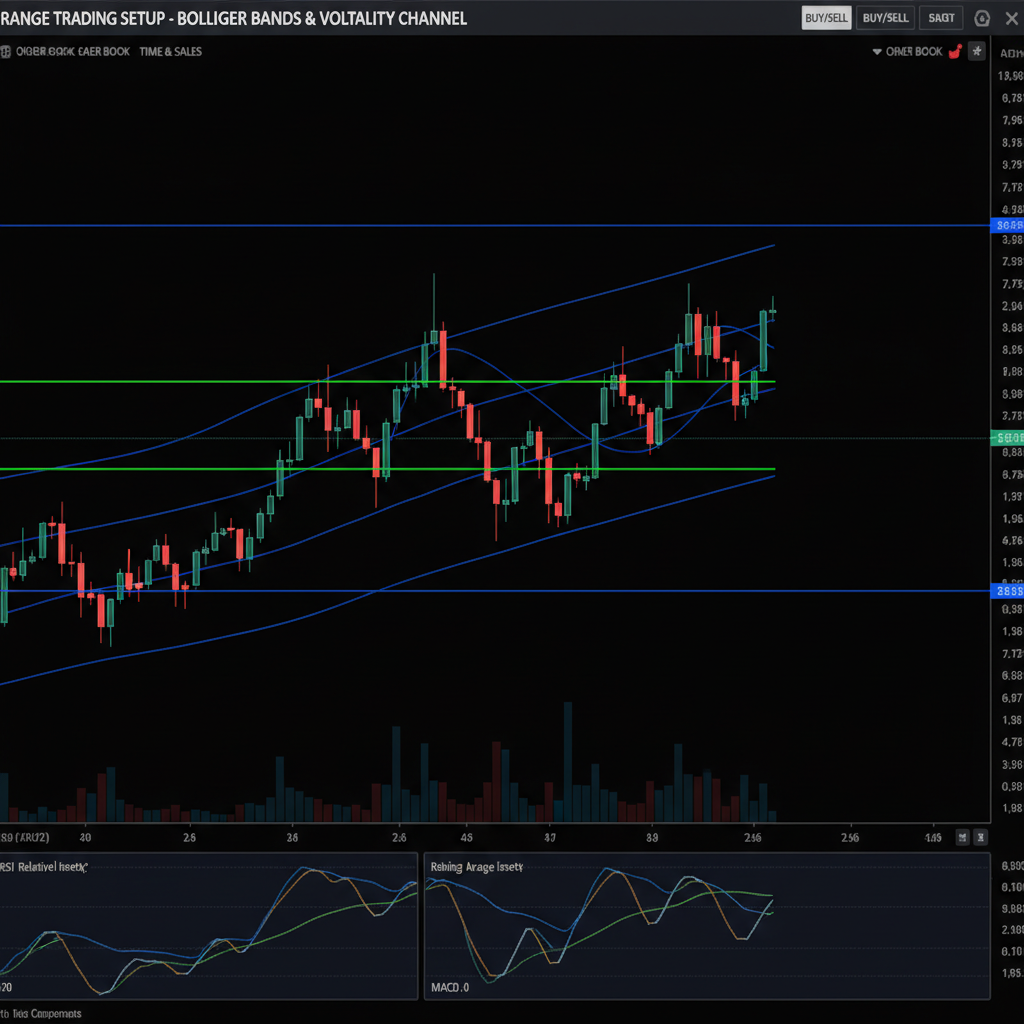
To improve the strategy's success rate, many traders incorporate additional confirmation signals before entering trades. These enhancements help filter out false breakouts and improve overall profitability.
Technical Confirmations:
- Volume analysis: Higher volume supporting the breakout direction
- Moving average position: Price breaking above/below key MAs
- RSI levels: Avoiding overbought/oversold conditions
- Support/resistance levels: Confirming breakouts of significant levels
Multiple Timeframe Approach
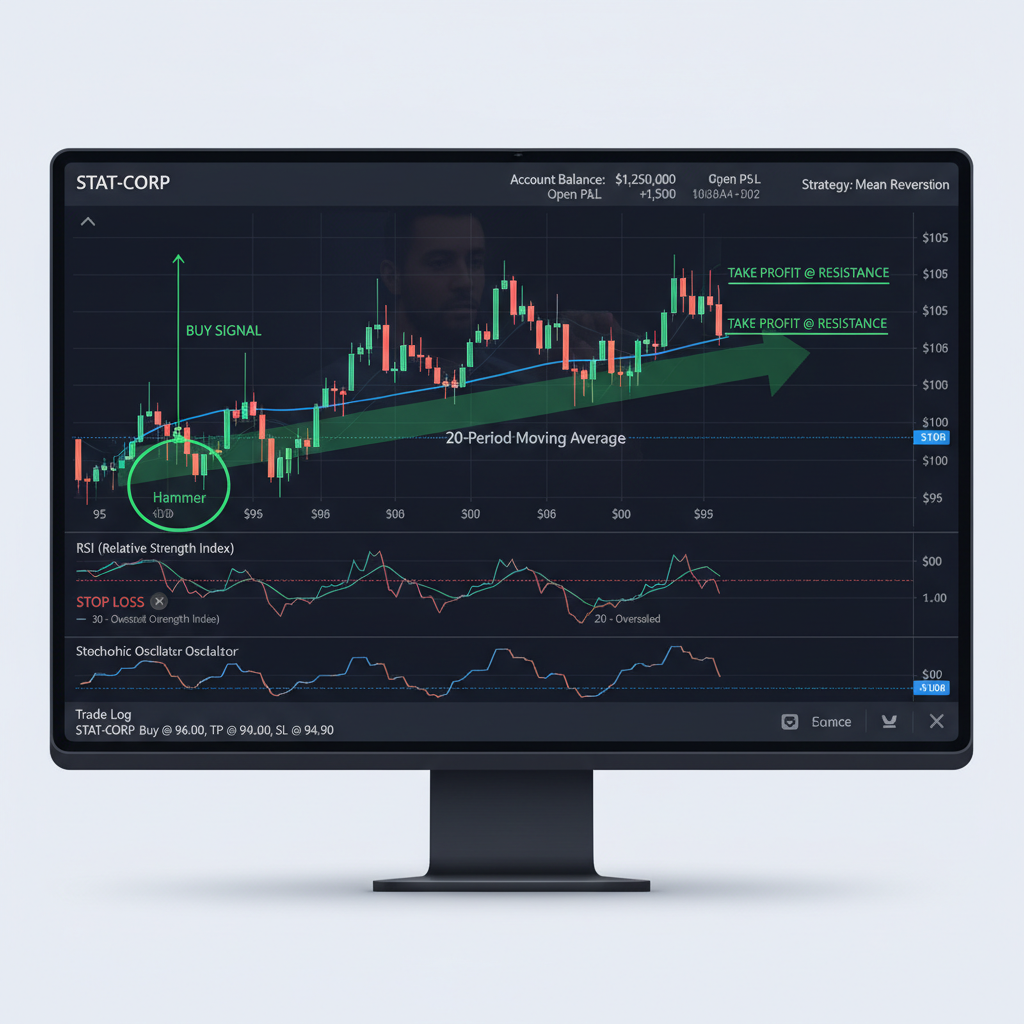
Advanced practitioners often integrate multiple timeframe analysis to improve trade selection and timing. This approach provides better context for trading decisions and can significantly improve success rates.
| Timeframe | Purpose | Analysis Focus |
|---|---|---|
| 4-Hour | Trend Direction | Overall market sentiment and major levels |
| 1-Hour | Setup Identification | 7 AM GMT candle and range definition |
| 15-Minute | Entry Timing | Precise entry and confirmation signals |
Alternative Currency Pairs
While major pairs remain the primary focus, some traders explore minor pairs and exotics for additional opportunities. However, this requires careful consideration of spreads, liquidity, and volatility characteristics.
Extended Pair Selection:
- EUR/GBP: Often trends well during European sessions
- USD/CAD: Responds well to oil price movements
- NZD/USD: Good volatility during Asian-Pacific overlap
- EUR/CHF: Lower volatility but more predictable movements
- Start with one major pair and master the basics
- Test modifications on demo accounts before live trading
- Keep detailed records of all variations and their performance
- Adjust position sizes when trading different pairs
- Consider correlation between pairs when trading multiple setups
Risk Management Enhancements
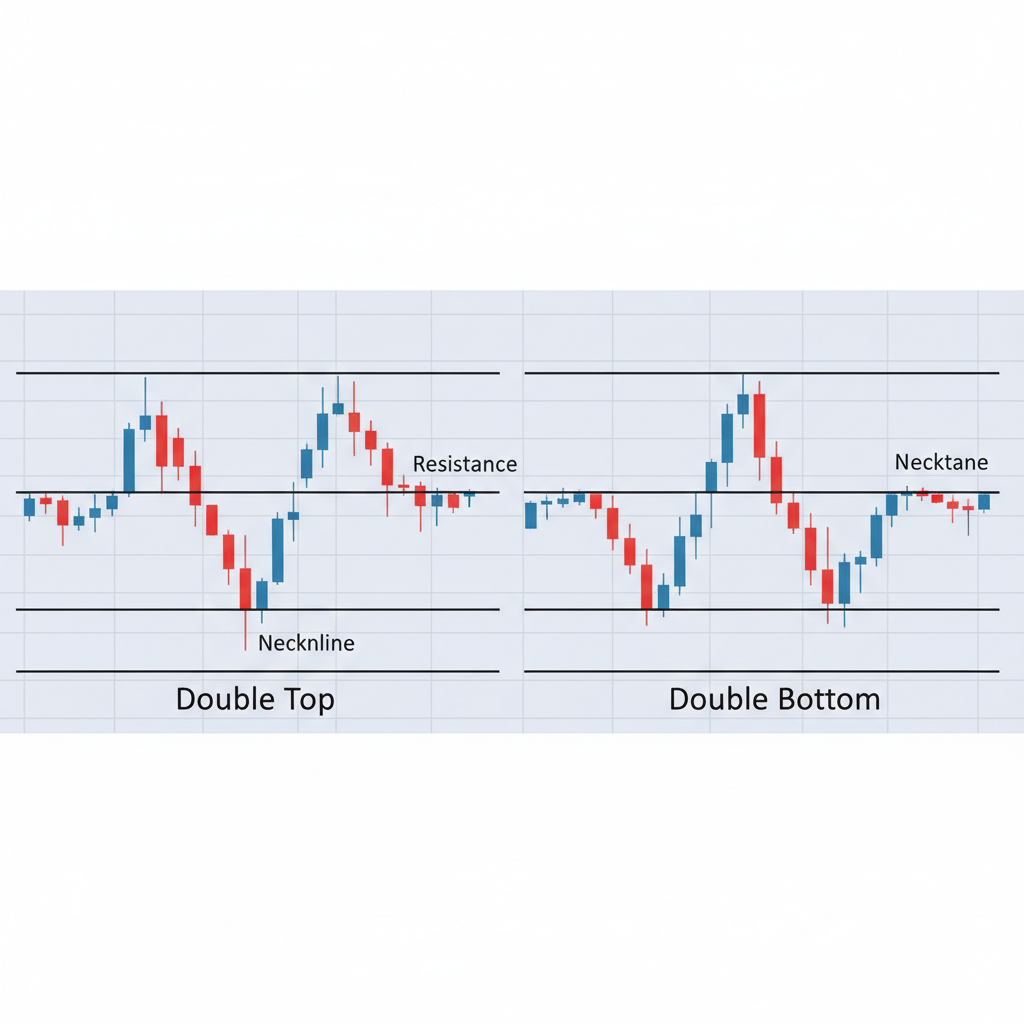
Long-term success often requires enhanced risk management techniques that go beyond basic stop-loss placement. These improvements help preserve capital during difficult market periods.
Advanced Risk Controls:
- Daily loss limits: Stop trading after losing 2-3% of account in one day
- Weekly performance reviews: Adjust strategy if success rate drops below 50%
- Correlation analysis: Avoid multiple trades on highly correlated pairs
- Economic calendar integration: Reduce position sizes before major announcements
Comments
Post a Comment