
GDP, CPI, Employment Data: The Big Three Economic Indicators for Forex Traders
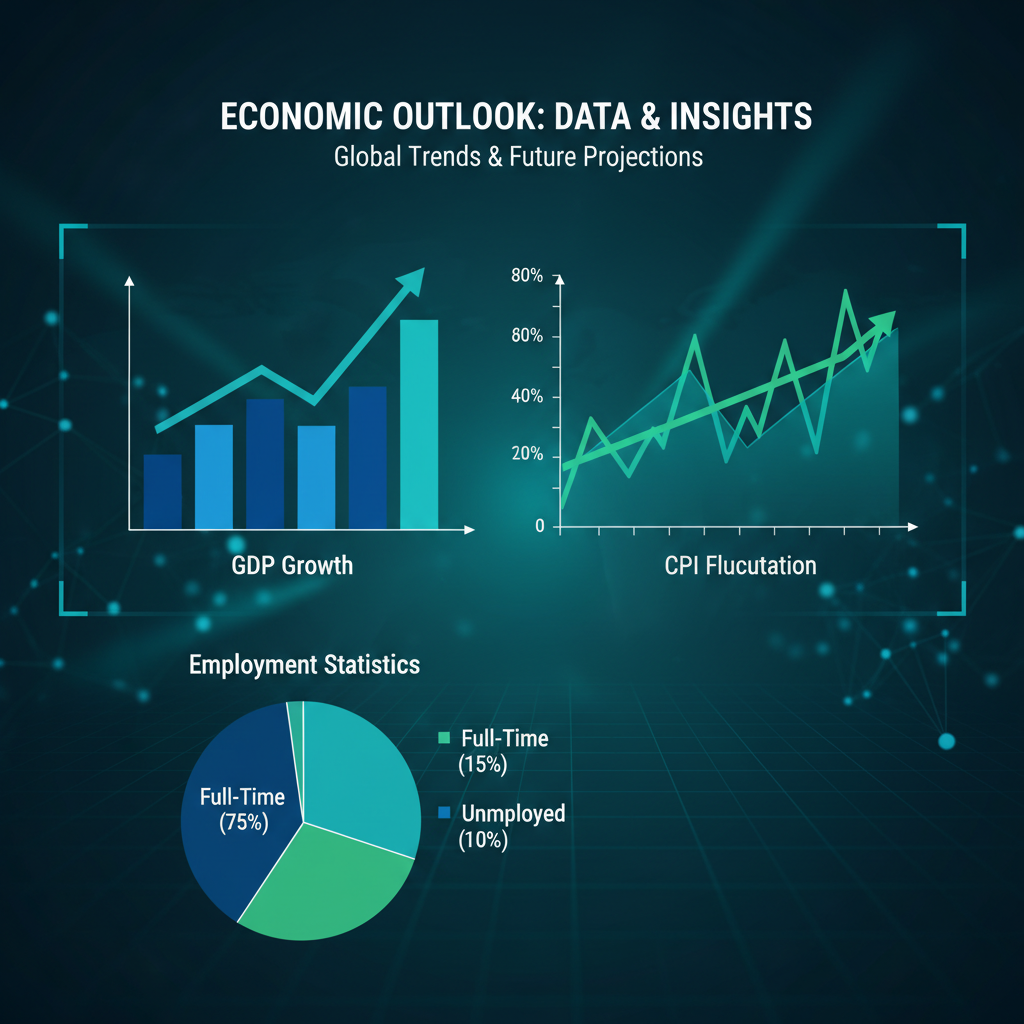
The foreign exchange market reacts most dramatically to three types of economic data: Growth indicators (GDP), Inflation measures (CPI), and Employment statistics. These are the "Big Three" that drive currency valuations and central bank decisions.
Why These Three Indicators Matter Most
Every central bank has a dual mandate: promote economic growth and maintain price stability. These three indicators directly measure that mandate:
📈 GDP (Growth)
Measures: Economic expansion or contraction
Central Bank Impact: Strong GDP = potential rate hikes
Currency Effect: Strong growth strengthens currency
💰 CPI (Inflation)
Measures: Price level changes
Central Bank Impact: High CPI = potential rate hikes
Currency Effect: Rising inflation strengthens currency
👥 Employment (Jobs)
Measures: Labor market health
Central Bank Impact: Tight labor = wage pressure = inflation
Currency Effect: Low unemployment strengthens currency
1. Gross Domestic Product (GDP) - Measuring Economic Growth
What is GDP?
GDP measures the total value of all goods and services produced within a country's borders during a specific time period. It's the broadest measure of economic activity and directly influences central bank policy.
GDP Components Breakdown
- Consumer Spending (C): ~70% of GDP in developed economies
- Business Investment (I): Capital spending by companies
- Government Spending (G): Public sector expenditures
- Net Exports (X-M): Exports minus imports
Formula: GDP = C + I + G + (X - M)
GDP Impact on Currency Values
| GDP Scenario | Currency Reaction | Central Bank Response | Typical Move |
|---|---|---|---|
| Strong Growth (>3%) | Currency Strengthens | Potential hawkish shift | +50-100 pips |
| Moderate Growth (1-3%) | Minimal Impact | Status quo maintained | +/- 20 pips |
| Weak Growth (<1%) | Currency Weakens | Potential dovish shift | -50-100 pips |
GDP Trading Strategy
Preparation Steps:
- Review previous quarter's GDP growth rate
- Check economic forecasts from major banks
- Identify which components drove recent growth
- Consider seasonal adjustments and weather impacts
Trading Approach:
- Avoid trading first 10-15 minutes after release
- Wait for initial volatility to settle
- Trade retests of key technical levels
- Use wider stops (50-75 pips) due to volatility
Regional GDP Differences
- US GDP: Quarterly (advance, preliminary, final) - Last Thursday of month
- Eurozone GDP: Quarterly - About 30 days after quarter-end
- UK GDP: Monthly and quarterly - Around 22 days after month/quarter-end
- Japan GDP: Quarterly - About 8 weeks after quarter-end
2. Consumer Price Index (CPI) - Measuring Inflation
What is CPI?
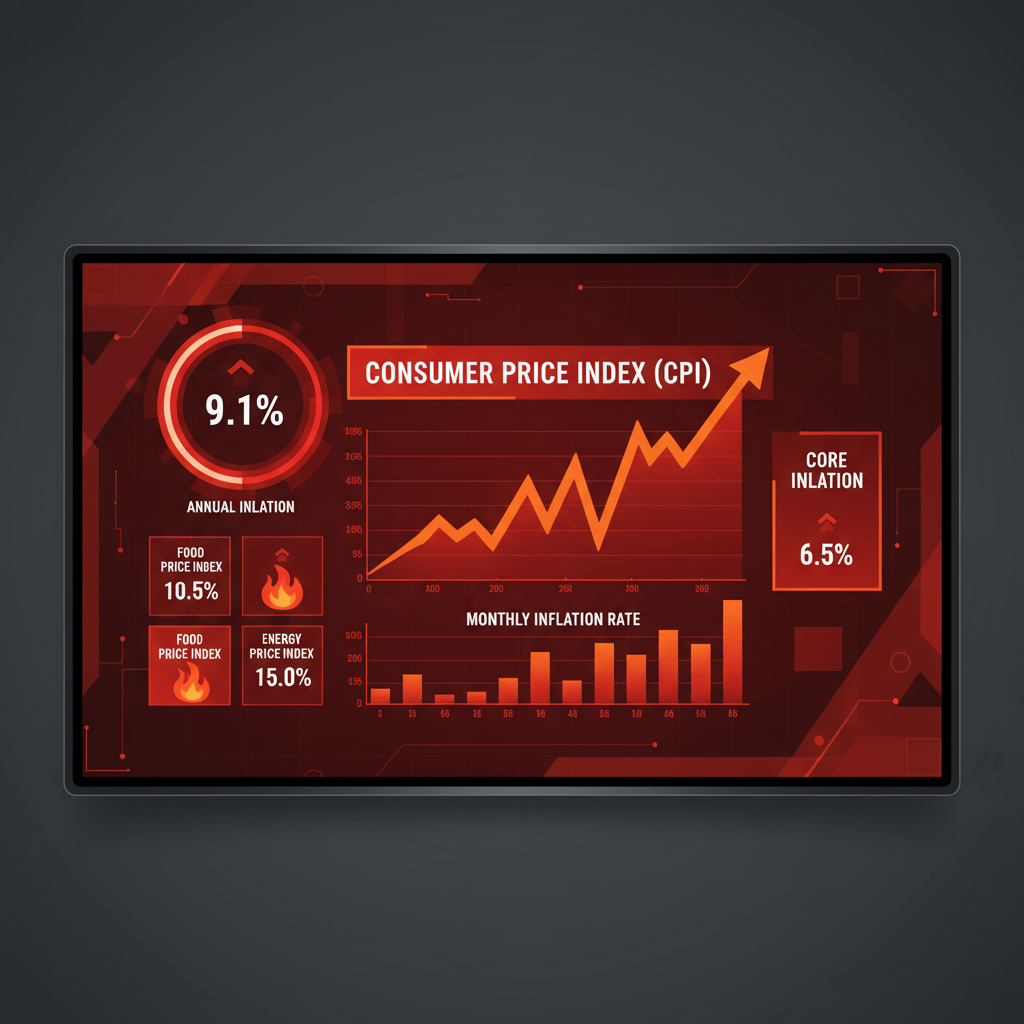
CPI measures the average change in prices consumers pay for a basket of goods and services. It's the most important inflation indicator for central banks and directly influences interest rate decisions.
CPI Components
- Housing (30%): Rent, utilities, maintenance
- Transportation (16%): Gasoline, vehicle purchases
- Food (14%): Groceries and dining out
- Healthcare (8%): Medical services and prescriptions
- Other (32%): Clothing, education, entertainment
Inflation and Currency Values
| Inflation Level | Central Bank Action | Currency Effect | Market Expectation |
|---|---|---|---|
| Below Target (e.g., <2%) | Dovish (cut rates/keep low) | Currency Weakens | Accommodative policy expected |
| At Target (e.g., 2%) | Neutral (hold rates) | Minimal Impact | Policy unchanged expected |
| Above Target (e.g., >3%) | Hawkish (raise rates) | Currency Strengthens | Tightening expected |
CPI Trading Strategy
Core CPI vs. Headline CPI:
- Headline CPI: Includes volatile food and energy prices
- Core CPI: Excludes food and energy - more stable indicator
Trading Focus:
- Core CPI usually moves markets more than headline
- Watch for "core CPI surprises" - these create biggest moves
- Consider seasonal patterns (energy prices in winter/summer)
- Compare to central bank inflation targets
CPI Regional Differences
Key Inflation Indicators by Region
- US: CPI (monthly), PCE Price Index
- Eurozone: HICP (monthly), national CPIs
- UK: CPI (monthly), RPI, PPI
- Japan: CPI (monthly), Core CPI
- Canada: CPI (monthly), Core CPI
Central Bank Inflation Targets
- Federal Reserve: 2% inflation
- ECB: "Below but close to 2%"
- Bank of England: 2% inflation
- Bank of Japan: 2% inflation
- Bank of Canada: 1-3% range
3. Employment Data - Measuring Labor Market Health
Key Employment Indicators
US Employment Report Components
- Non-Farm Payrolls (NFP): Net job changes (most important)
- Unemployment Rate: Percentage of unemployed workforce
- Average Hourly Earnings: Wage growth indicator
- Labor Force Participation: Working-age population in workforce
- Manufacturing vs. Services Jobs: Sector-specific employment
Employment Impact on Currency Values
| Employment Metric | Strong Data Means | Currency Effect | Trading Signal |
|---|---|---|---|
| NFP Growth | Job creation accelerating | Currency Strengthens | Buy currency vs. majors |
| Unemployment Rate | Fewer people unemployed | Currency Strengthens | Buy currency on decline |
| Wage Growth | Inflationary pressure rising | Currency Strengthens | Strong buy signal |
| Participation Rate | More people working/looking | Generally positive | Supporting factor |
Employment Data Trading Strategy
NFP Trading Approach:
- Pre-Release: Review unemployment claims data for trends
- During Release: Focus on NFP change, unemployment rate, wage growth
- Post-Release: Wait 5-10 minutes, then trade technical levels
- Risk Management: Use wider stops (75-100 pips), reduce position size
Key Numbers to Watch:
- NFP: +200K+ = strong, +100-200K = moderate, <100K = weak
- Unemployment: <4% = tight, 4-5% = normal, >5% = weak
- Wages: >0.4% MoM = inflationary, 0.2-0.4% = normal, <0.2% = weak
Global Employment Data
- US: Non-Farm Payrolls (First Friday, 8:30 AM EST)
- UK: Employment Change (Monthly, around 22nd)
- Canada: Employment Change (First Friday, 8:30 AM EST)
- Australia: Employment Change (Monthly, mid-month)
- Germany: Unemployment Rate (Monthly, first working day)
Trading Strategies for the Big Three
Strategy 1: The Surprise Trade
Concept: Trade when actual data significantly differs from consensus expectations.
Setup:
- Check consensus forecasts vs. recent trends
- Identify which direction the surprise is likely to go
- Use 50-75 pip stops due to high volatility
- Take profits on major technical levels
Strategy 2: The Momentum Play
Concept: Ride the initial momentum after data release.
Setup:
- Wait 2-5 minutes after release
- Identify direction of initial move
- Enter on pullback to 20-period moving average
- Trail stop using ATR or previous swing points
Strategy 3: The Fade Trade
Concept: Trade against over-extended moves after initial reaction.
Setup:
- Wait 15-30 minutes after release
- Look for moves beyond key technical levels
- Enter against the initial momentum
- Use tight stops (25-35 pips), target previous levels
Reading the Data: Practical Examples
- NFP: +250K (forecast +150K)
- Unemployment: 3.8% (forecast 4.0%)
- Wage Growth: +0.5% (forecast +0.3%)
Expected Outcome: USD strengthens across the board. EUR/USD drops 80-120 pips. Fed becomes more hawkish.
- GDP Growth: +0.2% (forecast +0.4%)
- CPI: +1.8% (forecast +2.1%)
- Employment: +0.1% (forecast +0.3%)
Expected Outcome: EUR weakens significantly. ECB becomes more dovish. EUR/USD drops 60-100 pips.
- Employment: +15K (forecast +25K) - disappointing
- CPI: +3.2% (forecast +2.8%) - inflationary
- GDP: +0.3% (forecast +0.2%) - positive
Expected Outcome: Mixed signals create uncertainty. CAD trades sideways initially, then follows dominant theme (inflation = BoC hawkish = CAD strength).
Common Trading Mistakes
- Trading on headline numbers alone: Always read the full report and underlying details.
- Ignoring revisions: Initial estimates often get revised significantly, reversing market sentiment.
- Using regular stops: These releases create false breakouts. Use wider stops or avoid trading during initial volatility.
- Overreacting to single data points: Look at trends over multiple releases, not just monthly snapshots.
- Ignoring central bank context: Strong data in an economy with easy monetary policy may not move markets as much.
Building Your Data-Driven Trading Routine
Weekly Preparation (Every Sunday)
- Review upcoming week's major economic releases
- Identify which of the Big Three will be released
- Check current market expectations and recent trends
- Plan your trading strategy for each event
- Adjust position sizes for news-heavy periods
Daily Monitoring (15 minutes each morning)
- Check economic calendar for today's releases
- Review any data revisions from previous days
- Assess how data might affect current positions
- Set alerts for high-impact events
- Prepare trading plan for the day
Advanced Concepts: Data Interconnections
The Employment-Inflation Connection
Strong employment creates wage pressure, which fuels inflation. This is why strong jobs data often leads to currency strength even before inflation data is released.
The Growth-Inflation Trade-off
Strong GDP growth can be both positive (economic strength) and negative (inflation risk). Central banks must balance growth promotion with inflation control.
The Global Data Web
Major economies' data releases often affect each other:
- US employment strength can weaken European currencies
- Strong UK data can support EUR/GBP despite weak Eurozone data
- Commodity country data affects both commodity and safe-haven currencies
Conclusion
GDP, CPI, and employment data are the foundation of fundamental analysis in forex trading. These three indicators tell the story of economic health, inflation pressures, and labor market dynamics that drive central bank policy and currency values.
Mastering these indicators requires:
- Understanding their economic significance and interconnections
- Learning to interpret deviations from expectations
- Developing appropriate trading strategies for each type of release
- Practicing risk management during volatile periods
- Maintaining discipline to avoid overtrading
Remember, these indicators don't exist in isolation. The best forex traders understand how GDP growth affects inflation expectations, how employment strength influences wage pressures, and how central banks respond to changing economic conditions.
Comments
Post a Comment