

News Trading Strategy: Capitalizing on Market Volatility

The news trading in forex market offers some of the most explosive profit opportunities in financial markets. When major economic announcements hit the wires, currency pairs can move hundreds of pips within minutes, creating substantial profit potential for traders who are prepared. However, news trading is one of the most challenging and risky approaches in forex, requiring advanced skills, precise timing, and exceptional risk management.
This comprehensive guide will explore proven news trading strategies, from Non-Farm Payrolls (NFP) techniques to central bank announcements, while emphasizing the critical risk factors that every trader must understand before attempting to trade volatile news events.
1. Introduction to News Trading
What is News Trading?
News trading in forex involves opening and closing positions around the release of high-impact economic announcements that can cause significant market volatility. Unlike technical analysis which relies on charts, news trading is fundamentally driven by economic release data, central bank decisions, and geopolitical events that affect currency valuations.

The core principle behind trading the news lies in the market's reaction to unexpected information. When economic data significantly deviates from analysts' forecasts, currencies can experience dramatic price movements as traders rapidly reassess their positions.
High-Impact News Events That Move Markets
Several types of economic releases consistently generate substantial market volatility:

🔥 Market-Moving Events:
- Non-Farm Payrolls (NFP) - US employment data released first Friday of each month
- Central Bank Interest Rate Decisions - Federal Reserve, ECB, Bank of England rate announcements
- GDP Releases - Quarterly economic growth data
- Inflation Data - CPI and PPI reports affecting monetary policy expectations
- Central Bank Speeches - Policy hints from Fed Chair, ECB President
- Geopolitical Events - Elections, trade negotiations, emergency announcements
Volatility Spikes and Profit Potential
During major news releases, currency pairs can experience volatility spikes of 100-300% above normal levels. For example, during an unexpected NFP release, EUR/USD might move 50-100 pips within the first 15 minutes, compared to its typical daily range of 70-90 pips. This compressed volatility creates opportunities for substantial profits in short timeframes.
Friday, 8:30 AM EST: Non-Farm Payrolls Release
Forecast: +185K | Previous: +175K | Actual: +250K
USD strengthens immediately as better-than-expected employment data suggests economic resilience
Who Should Trade the News?
News trading is exclusively recommended for advanced traders who possess:
- Extensive experience with volatile market conditions
- Lightning-fast execution skills and reaction times
- Access to institutional-grade trading platforms with minimal slippage
- Substantial risk capital that can withstand rapid losses
- Deep understanding of fundamental economic relationships
- Ability to remain calm under extreme pressure
2. High-Impact Economic Events for Trading
Non-Farm Payrolls (NFP): The Market Driver King
The NFP trading strategy revolves around the most anticipated economic release each month. Non-Farm Payrolls data measures changes in US employment excluding agricultural workers and consistently generates the highest volatility in USD pairs.
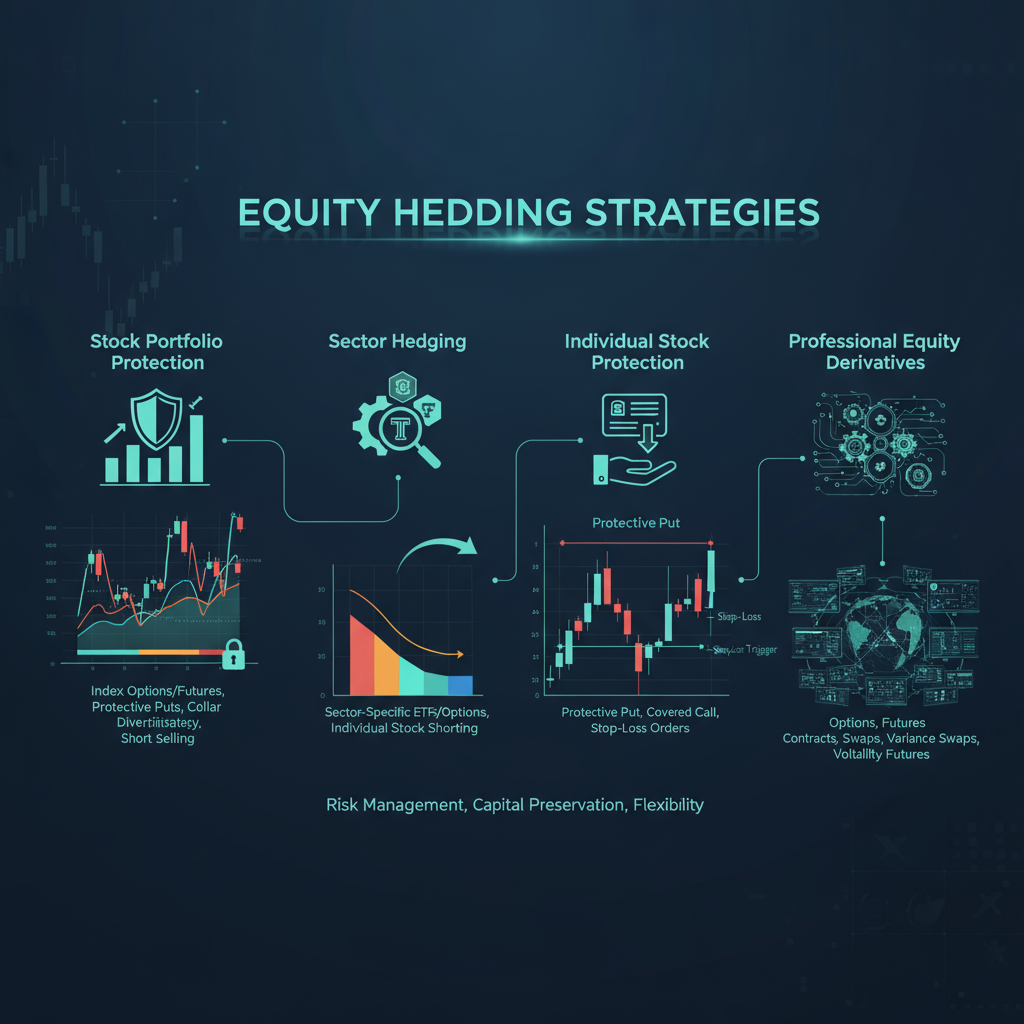
📊 NFP Trading Characteristics:
- Release Time: First Friday of each month at 8:30 AM EST
- Typical Market Impact: 80-150 pip moves in major USD pairs
- Duration: Initial spike lasts 15-30 minutes
- Best Pairs: EUR/USD, GBP/USD, USD/JPY, USD/CAD
- Market Conditions: Spreads widen 3-5x normal levels
Central Bank Interest Rate Decisions
Interest rate announcements from major central banks create some of the most predictable yet volatile trading opportunities. The Federal Reserve FOMC meetings, European Central Bank rate decisions, and Bank of England announcements can move currency pairs 100-200 pips within minutes.
| Central Bank | Meeting Frequency | Typical Impact (Pips) | Primary Currency Pairs |
|---|---|---|---|
| Federal Reserve (FOMC) | 8 times per year | 50-200 pips | All USD pairs |
| European Central Bank | 8 times per year | 40-150 pips | EUR/USD, EUR/GBP, EUR/JPY |
| Bank of England | 8 times per year | 50-180 pips | GBP/USD, EUR/GBP, GBP/JPY |
| Reserve Bank of Australia | 11 times per year | 30-120 pips | AUD/USD, AUD/JPY |
GDP Releases and Economic Growth Data
Quarterly GDP announcements provide insights into economic health and can significantly impact currency valuations, especially when results deviate substantially from expectations. Advanced economies typically release preliminary, revised, and final GDP figures, with the preliminary release generating the most market reaction.
Geopolitical Events and Emergency Announcements
Unscheduled events such as emergency central bank meetings, major political developments, or global crises can create extreme volatility. These events require rapid assessment and decisive action, making them particularly challenging for news traders.
3. News Trading Strategies
Directional Bias Approach: Trading Expected Outcomes
This approach involves analyzing economic expectations and market sentiment before news releases to establish directional bias. Traders position themselves based on expected results and economic relationships.

🎯 Directional Bias Strategy Steps:
- Pre-Release Analysis: Study economic forecasts, previous trends, and market positioning
- Consensus Assessment: Determine if market expectations align with likely outcomes
- Position Entry: Enter positions 5-10 minutes before release
- Quick Assessment: Evaluate actual vs. expected within 30 seconds of release
- Decision Point: Hold position if correct, exit immediately if wrong
Straddle Strategy: Placing Orders in Both Directions Before News
The straddle strategy involves placing both buy and sell pending orders on either side of current price levels before news releases, allowing traders to capture movement regardless of direction.
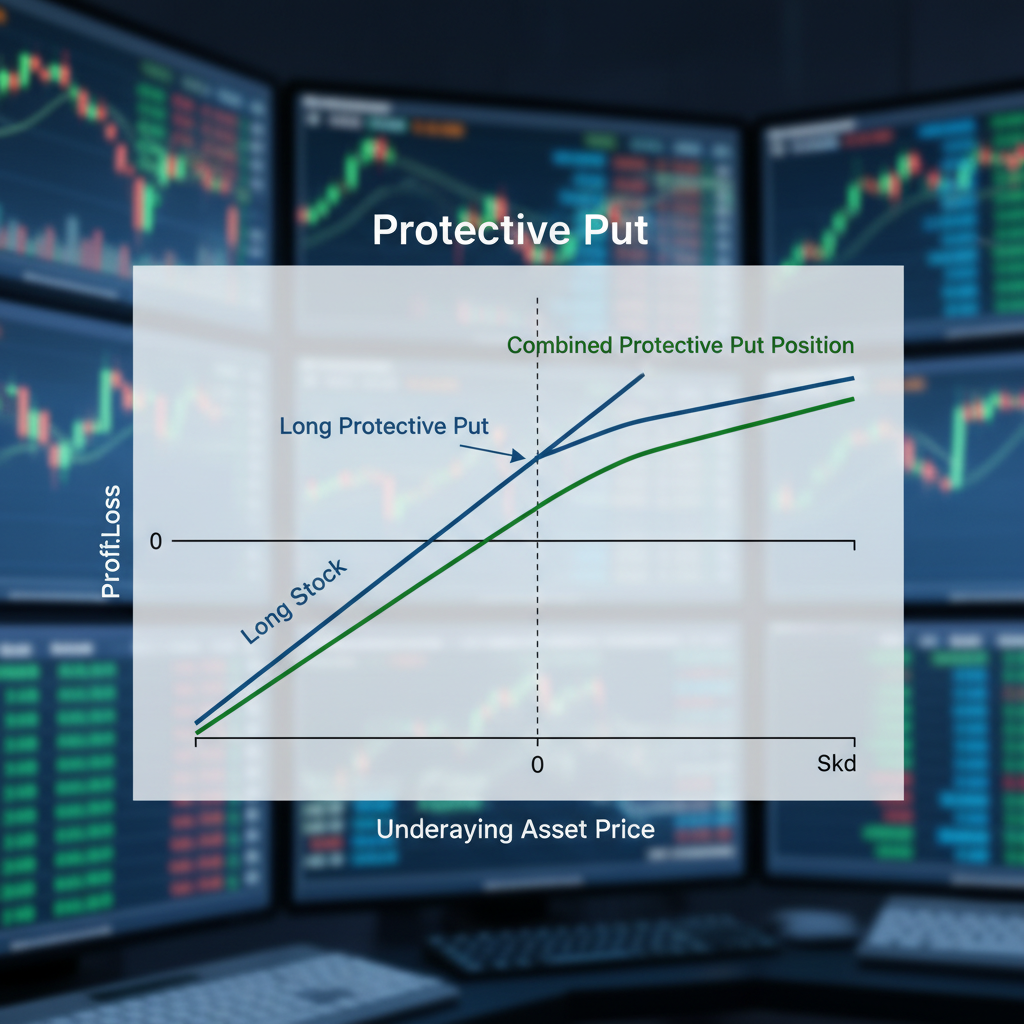
⚡ Straddle Setup Example (EUR/USD NFP):
- Current Price: 1.0850
- Buy Stop Order: 1.0870 (20 pips above)
- Sell Stop Order: 1.0830 (20 pips below)
- Stop Loss: 30 pips from entry
- Take Profit: 50-80 pips target
- Time Setup: 2-3 minutes before release
Retracement Strategy: Waiting for Initial Spike
This conservative approach involves waiting for the initial market reaction to complete, then entering on the subsequent retracement. This strategy requires patience but often provides better entry prices with reduced slippage risk.
Breakout Confirmation: Entering After Clear Direction
Breakout confirmation strategy waits for decisive price movement beyond key technical levels after news releases. This approach sacrifices some profit potential for increased probability of success.
4. Technical Setup for News Trading
Using Economic Calendars Effectively
Professional economic calendar trading requires understanding impact ratings, forecast accuracy, and historical volatility patterns. High-impact events (marked as red or three-star ratings) consistently generate the most substantial price movements.
📋 Pre-News Trading Checklist:
- ✓ Verify exact release time in your local timezone
- ✓ Check forecast vs. previous data for surprise potential
- ✓ Analyze historical price reactions to similar releases
- ✓ Confirm trading platform stability and execution speed
- ✓ Pre-calculate position sizes based on risk parameters
- ✓ Set up relevant currency pair charts with key levels marked
- ✓ Ensure sufficient account balance for margin requirements
- ✓ Prepare for potential broker restrictions or trading halts
Pre-News Price Action Analysis
Analyzing price behavior in the hours leading up to news releases provides valuable insights into market positioning and potential breakout directions. Key technical levels often act as magnets during volatile news reactions.
Setting Pending Orders
Pending order placement requires precise timing and strategic positioning. Orders placed too close to current prices risk premature execution, while orders placed too far away may miss the initial movement entirely.
Managing Spread Widening
During high-impact news releases, spreads can widen from 1-2 pips to 10-20 pips or more. This spread expansion significantly impacts trade profitability and must be factored into strategy calculations.
5. Risk Management in News Trading
Understanding Slippage and Requotes
Slippage during news events can be severe, with orders executing 5-20 pips away from requested prices. Some brokers may impose requotes or temporary trading restrictions, making execution unpredictable.
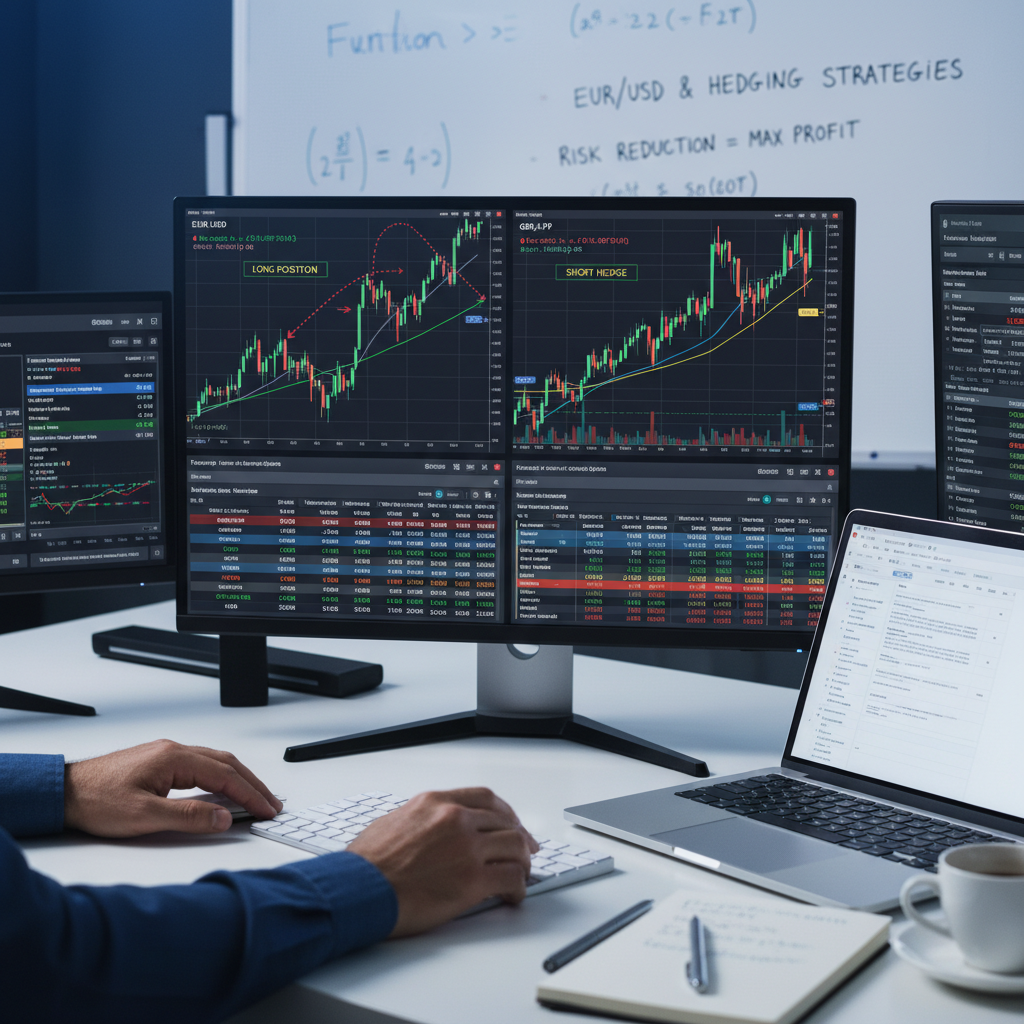
Position Sizing for Volatile Conditions
News trading requires significantly reduced position sizes compared to normal trading conditions. Most professional news traders risk no more than 0.5-1% of capital per trade due to execution uncertainty.

| Account Size | Normal Position Size (2% risk) | News Trading Size (0.5% risk) | Reason for Reduction |
|---|---|---|---|
| $10,000 | 2.0 standard lots | 0.5 standard lots | Slippage protection |
| $25,000 | 5.0 standard lots | 1.25 standard lots | Execution uncertainty |
| $50,000 | 10.0 standard lots | 2.5 standard lots | Spread widening |
Tight Stop-Losses and Quick Decision Making
News trading demands lightning-fast decision making and tight stop-losses. Successful news traders often use 20-30 pip stops and must be prepared to exit positions within seconds if market reaction contradicts expectations.
Broker Selection for News Trading
Not all brokers are suitable for news trading. Key requirements include:
- Institutional-grade execution with minimal slippage
- No artificial delays or requotes during news releases
- Competitive spreads that don't widen excessively
- No trading restrictions during volatile periods
- Sufficient server capacity to handle high-volume periods
Accepting Losses Quickly
News trading success depends heavily on cutting losses quickly when trades move against expectations. The volatile nature of news events can turn small losses into large ones within seconds, making decisive action essential.
📚 Related Articles You Might Find Helpful:
Frequently Asked Questions (FAQ)
⚠️ Important Risk Alert

Trading foreign exchange (forex) carries a high level of risk and may not be suitable for all investors. News trading involves extreme risk due to volatile market conditions, significant slippage, and unpredictable execution. The high degree of leverage can work against you as well as for you. Before deciding to trade forex, you should carefully consider your investment objectives, level of experience, and risk appetite. The possibility exists that you could sustain a loss of some or all of your initial investment and therefore you should not invest money that you cannot afford to lose. You should be aware of all the risks associated with foreign exchange trading and seek advice from an independent financial advisor if you have any doubts.
Past performance is not indicative of future results. All trading strategies and examples provided are for educational purposes only and should not be considered investment advice. The author and developer of this content assume no liability for trading losses incurred based on this information.
Comments
Post a Comment